
If you are planning to live in your RV through a Casper fall and winter, three upgrades do most of the heavy lifting: RV skirting to protect the underbelly and tanks, a heated (insulated) water hose to keep your water line from freezing, and tank heaters to stop your holding tanks from icing up. Pair those with a reliable full-hookup site and a real 30/50-amp power connection, and a Wyoming winter stops being a survival project and starts feeling like normal life. Here is how to set up your rig the right way before the first hard frost hits.
Why a Casper Winter Is Harder on an RV Than Most
Casper sits at about 5,100 feet on the Wyoming high plains, and cold arrives early here. Overnight lows start sliding into the 40s in September and drop toward freezing by mid-to-late month, well before the calendar says winter. Days can still be warm and sunny, which fools a lot of new arrivals into waiting too long to prep. Then a cold front rolls through, the wind picks up, and an unprotected water hose freezes solid overnight.
The wind is the part people underestimate. Central Wyoming gets relentless, and moving air strips heat out of an exposed underbelly far faster than still cold does. That is exactly why the same rig that shrugged off a mild Colorado winter can struggle here without a few targeted upgrades. If you have already read our guide on getting your RV ready for Wyoming’s first cold nights, think of this post as the next layer: that one covers furnace checks and comfort basics, and this one covers the equipment setup for a sustained fall-and-winter stay. You can track live road and weather conditions all season through the state’s WYDOT 511 travel service, and the City of Casper posts its snow removal and street priorities so you know what to expect when a storm hits.
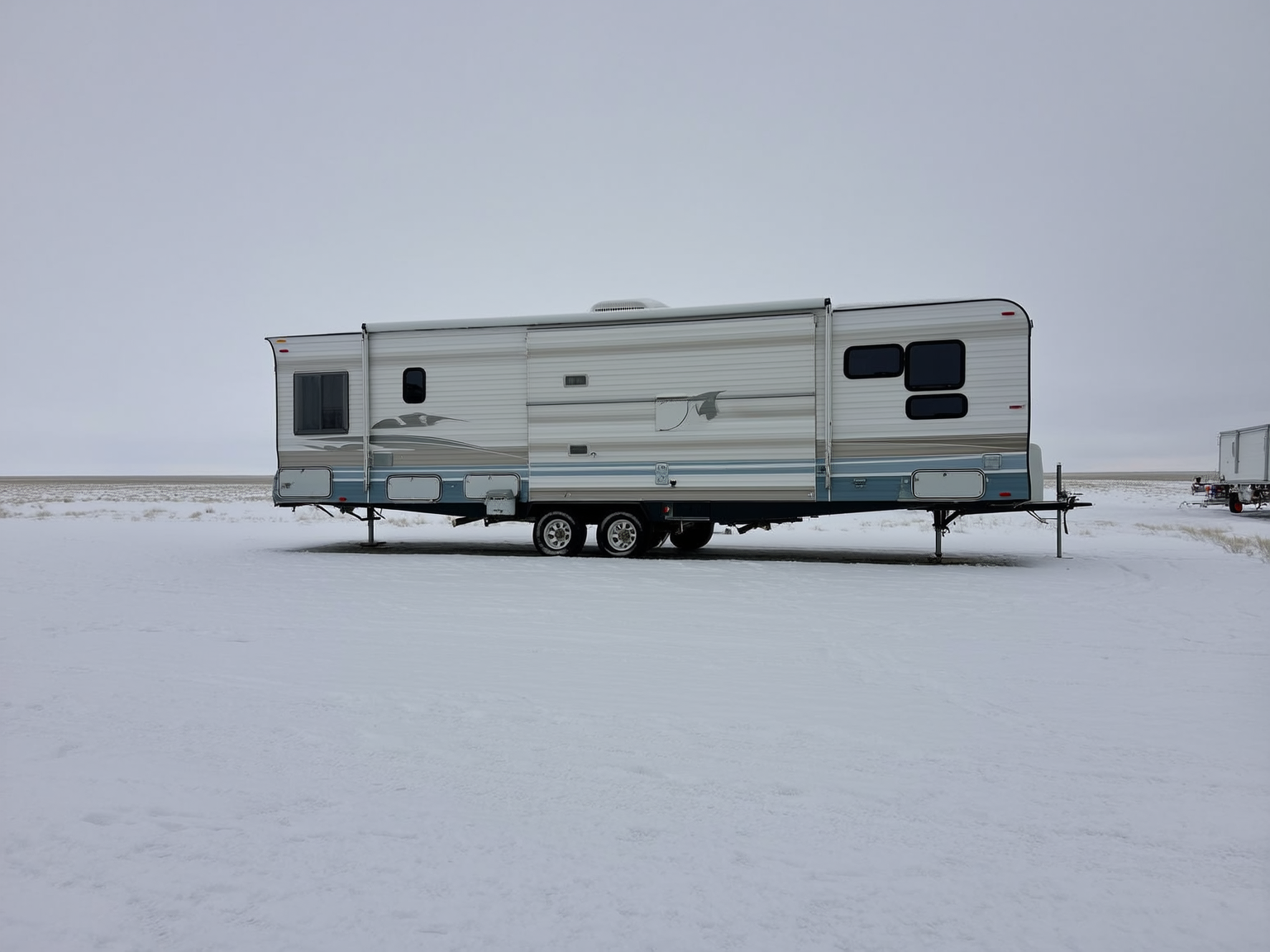
Start With Skirting: Protecting the Underbelly and Tanks
Skirting is the single highest-impact cold-weather upgrade for a stationary RV, and it is the first thing we tell long-stay guests to handle. Skirting encloses the gap between the bottom of your rig and the ground so wind cannot blow under the floor. That trapped pocket of air stays dramatically warmer than the outside temperature, which protects your tanks, plumbing, and floor all at once.
You have a few options depending on budget and how long you are staying:
- Vinyl skirting kits — custom-cut panels that snap or fasten to the rig and stake to the ground. The cleanest look and the best long-term choice for a full-season stay.
- Insulated foam board — rigid foam panels cut to fit and taped or clipped together. Affordable, effective, and easy to source locally.
- Inflatable air skirting — quick to set up and reusable, though pricier up front.
Whatever you choose, seal the corners and the low spots where wind sneaks in, and leave a small access point so you can still reach hookups and check things underneath. A skirted rig can run its furnace far less and keep tanks from freezing on nights a bare rig would be in trouble. If you are staging extra gear, foam board, or seasonal storage bins while you set up, our on-site storage units keep the clutter out of your rig and off your site.
Keep Your Water Flowing: Heated Hoses and Freeze Protection
Your freshwater line is the most common winter failure point and the easiest to fix. A standard garden-style RV hose will freeze the first cold night and can crack. Swap it for a heated, insulated water hose rated for the low temperatures you actually expect — many are good down well below zero. These have an internal heating element and simply plug into a standard outlet, which is a non-issue when you are on full hookups with real power.
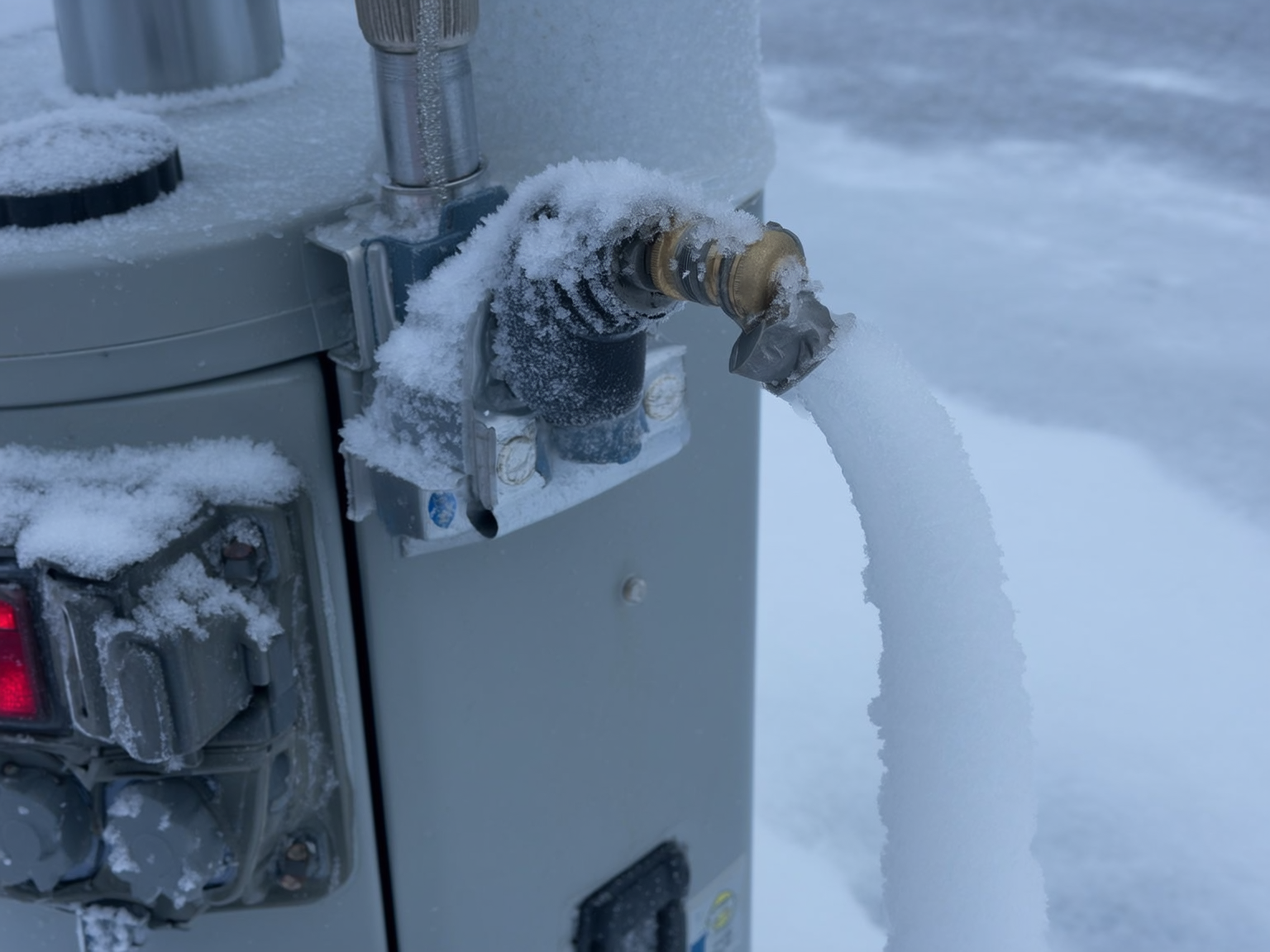
A few habits make the whole system bulletproof:
- Wrap and insulate the spigot connection and any exposed fittings at the park pedestal with foam pipe insulation and heat tape.
- Insulate your water pressure regulator and filter housing too — those exposed plastic parts crack before the hose does.
- On the coldest nights, let a faucet drip slightly; moving water is much harder to freeze.
- If a deep-freeze warning hits and you are worried, you can disconnect, drain the hose, and run off your fresh tank for a night as a backup.
The reason full hookups matter so much here is simple: a heated hose, tank heaters, and a space heater all draw power, and boondocking off batteries or a small generator cannot keep up with that load for weeks at a time. A dependable shore-power connection is what makes cold-weather RV living genuinely sustainable instead of a nightly gamble.
Tank Heaters, Heat Pads, and Underbelly Warmth
Even with skirting, your gray and black tanks and their dump valves can freeze during an extended cold snap. That is where tank heaters earn their keep. These are adhesive heating pads that stick to the bottom of your holding tanks and switch on automatically when temperatures drop near freezing. Many newer RVs come with a “cold weather” or “arctic” package that already includes heated, enclosed underbellies — worth confirming before you buy anything.
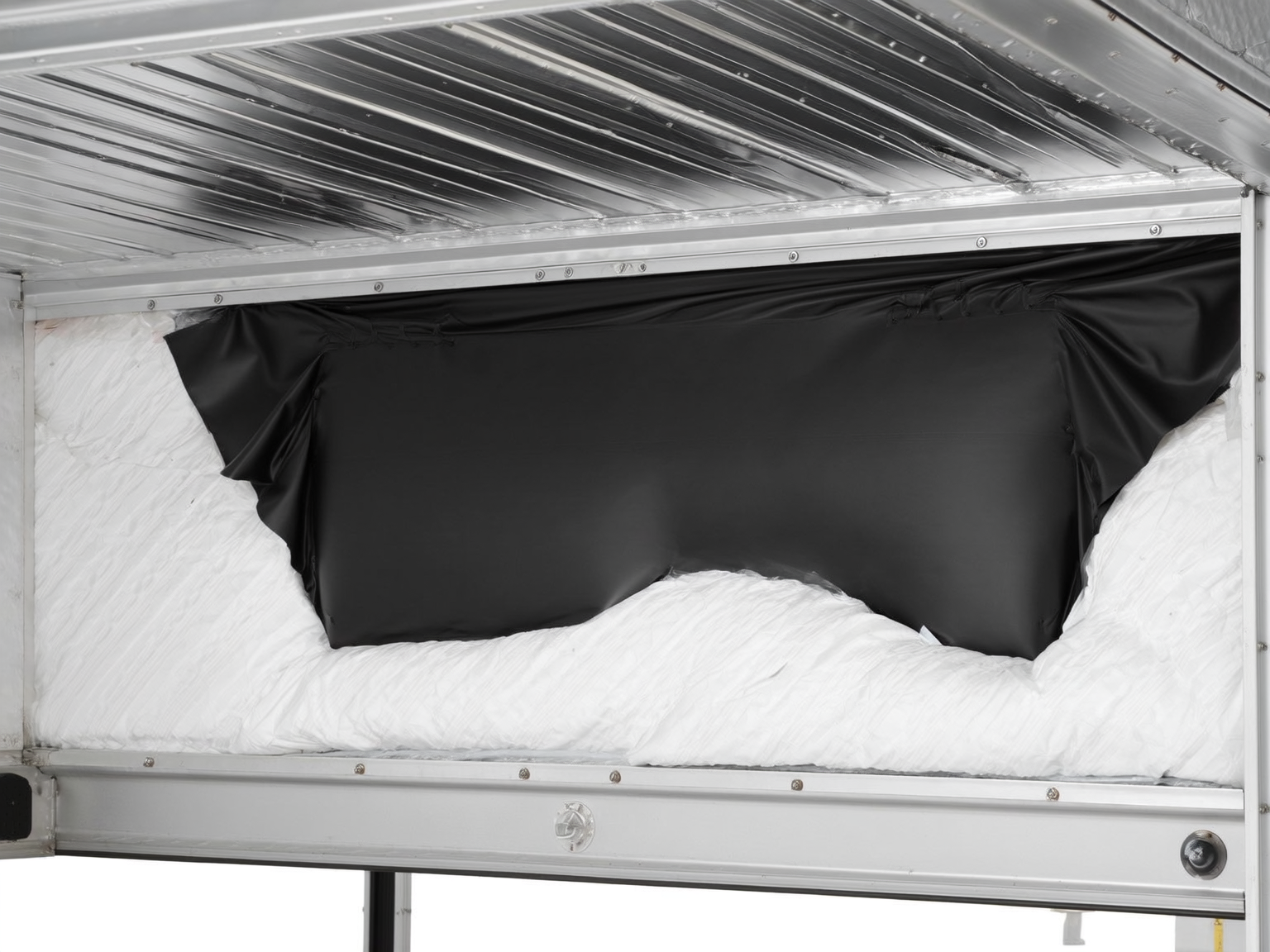
If your rig does not have them, aftermarket tank pads are inexpensive and straightforward to install. You can also add heat tape along the drain valves and sewer connection to keep everything flowing. Combine tank heaters with good skirting, and you have covered the two failure points that end most people’s winter stays: frozen supply lines and frozen tanks. Keep a small ceramic space heater indoors as a supplement to your furnace to burn less propane, and make sure your carbon monoxide and propane detectors are working before you rely on any heat source.
Manage Condensation and Interior Moisture
Here is the winter problem nobody warns first-timers about: moisture. Cooking, showering, and even breathing put a surprising amount of water into the air inside a sealed rig, and when that warm humid air hits cold windows and walls, it condenses. Left unchecked, that leads to damp corners and mildew.
Control it before it starts:
- Run a small dehumidifier, or use moisture-absorbent tubs in closets and cabinets.
- Crack a roof vent slightly — counterintuitive in the cold, but a little airflow carries moisture out.
- Use your range hood and bath fan when cooking and showering.
- Wipe down window sills in the morning and watch the corners of slide-outs.
A few minutes of habit keeps the inside of your rig dry, warm, and healthy through the whole season.
Why Full Hookups Make Cold-Weather RV Living Actually Work
Every upgrade above comes back to the same foundation: reliable power and a real water connection. Skirting keeps the heat in, but tank heaters and a heated hose need a steady electricity supply to do their jobs, and you cannot run all of that off-grid for months. That is the honest case for basing your winter stay at a full-hookup park instead of toughing it out boondocking. Fall and winter are also a genuinely great time to be in the Casper area — quieter, lower rates, and easy access to the outdoors, from Hogadon Basin ski area on Casper Mountain to the seasonal recreation you can find through Visit Casper and Travel Wyoming.
Here at Rone’s RV Park in Casper, our sites are built for exactly this kind of stay: full 30/50-amp hookups, city water, and space to skirt your rig and settle in for the season. Whether you are a traveling worker relocating for the winter — which we cover in our guide to monthly RV living in Casper — or a hunter staying through the late season, we make cold-weather living straightforward. Contact us to reserve your spot and ask about extended-stay rates before the first hard frost.
Frequently Asked Questions
Do I really need RV skirting for a Casper winter?
If you are staying more than a few weeks into the cold season, yes. Skirting blocks Wyoming’s constant wind from stripping heat from your underbelly, which protects your tanks and plumbing and significantly cuts your furnace runtime. It is the highest-value cold-weather upgrade you can make.
What temperature can a heated RV water hose handle?
Most quality heated, insulated hoses are rated well below zero — commonly to around -40°F — and turn on automatically as temperatures approach freezing. Pair it with insulation on the spigot, regulator, and filter, since those exposed parts often freeze before the hose does.
Can I live in my RV through winter without full hookups?
It is very difficult. Tank heaters, a heated water hose, and supplemental electric heat all draw steady power that batteries or a small generator cannot sustain for weeks. A full-hookup site with reliable shore power and a real water connection is what makes a comfortable, sustained winter stay realistic.
When should I set up my rig for cold weather in Casper?
Earlier than you think. Casper’s overnight lows reach freezing well before winter officially begins, so aim to have skirting, a heated hose, and tank protection in place by mid-September rather than waiting for the first storm to catch you unprepared.