
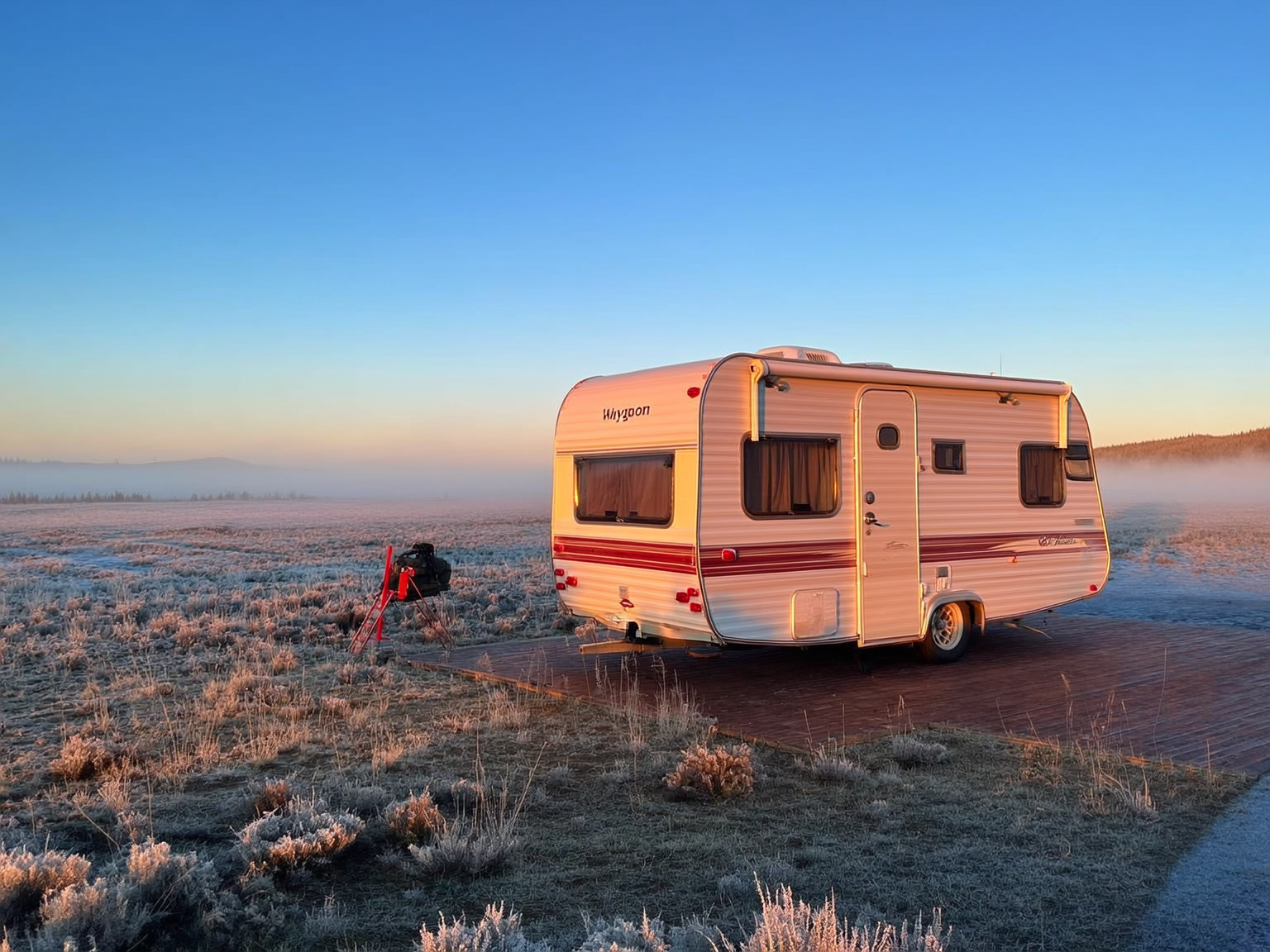
Here is something first-time visitors to Casper learn fast: a warm afternoon does not mean a warm night. At our 5,100-foot elevation, late-summer days can still hit the 80s while overnight temperatures drop into the 40s, and by early September, the first nights in the 30s show up without much warning. If you are living or working out of your RV here, or arriving for hunting season, the shoulder-season stretch from late August into fall is exactly when a rig that felt fine all summer starts to feel cold, damp, and drafty. This checklist walks through what to handle now, before that first cold night catches you off guard.
Why Shoulder Season Catches RVers Off Guard in Casper
The trouble with high-desert fall is the swing. You can run the A/C at 3 p.m. and want the furnace by 5 a.m. the same day. Because the days still feel like summer, it is easy to put off the cold-weather checks, and then the temperature drops 40 degrees overnight, and you are digging through a storage bay for extra blankets at 2 a.m. Central Wyoming’s dry air makes the swing feel sharper, too: without much humidity to hold heat, your rig sheds warmth quickly once the sun goes down.
You do not need to fully winterize yet; that comes later. What you need is a shoulder-season setup that keeps you comfortable through cold mornings while your days stay warm. Keep an eye on the forecast from the National Weather Service office serving central Wyoming so the first freeze is something you planned for, not something you woke up to.
Test Your Furnace Before You Actually Need It
Do not let the first 35-degree night be the moment you discover your furnace does not fire. Run it now, on a warm afternoon, so you have time and daylight to fix anything that is off. Here is a quick pre-season furnace checklist:
- Fire it up and listen. The blower should start, then the burner should ignite within a few seconds. If the fan runs but you get no heat, or it ignites and then cuts out, that is a sign to troubleshoot before the cold sets in.
- Check the exterior vent. Over the summer, spiders, wasps, and dust love to move into furnace and water-heater vents. A blocked vent is one of the most common reasons a furnace won’t light. Inspect it and clear any nests or debris.
- Confirm airflow inside. Make sure return-air vents and floor registers are not blocked by rugs, totes, or gear that migrated over the summer.
- Listen for short-cycling. If the furnace kicks on and off rapidly, it may be a low-propane, airflow, or sail-switch issue worth addressing now.
If your rig has a heat pump or you have been leaning on space heaters, remember that heat pumps lose efficiency fast as temperatures fall, and electric heaters draw hard on your power. Knowing your propane furnace works is your reliable backstop for a Wyoming cold snap.
Check Your Propane and Safety Detectors
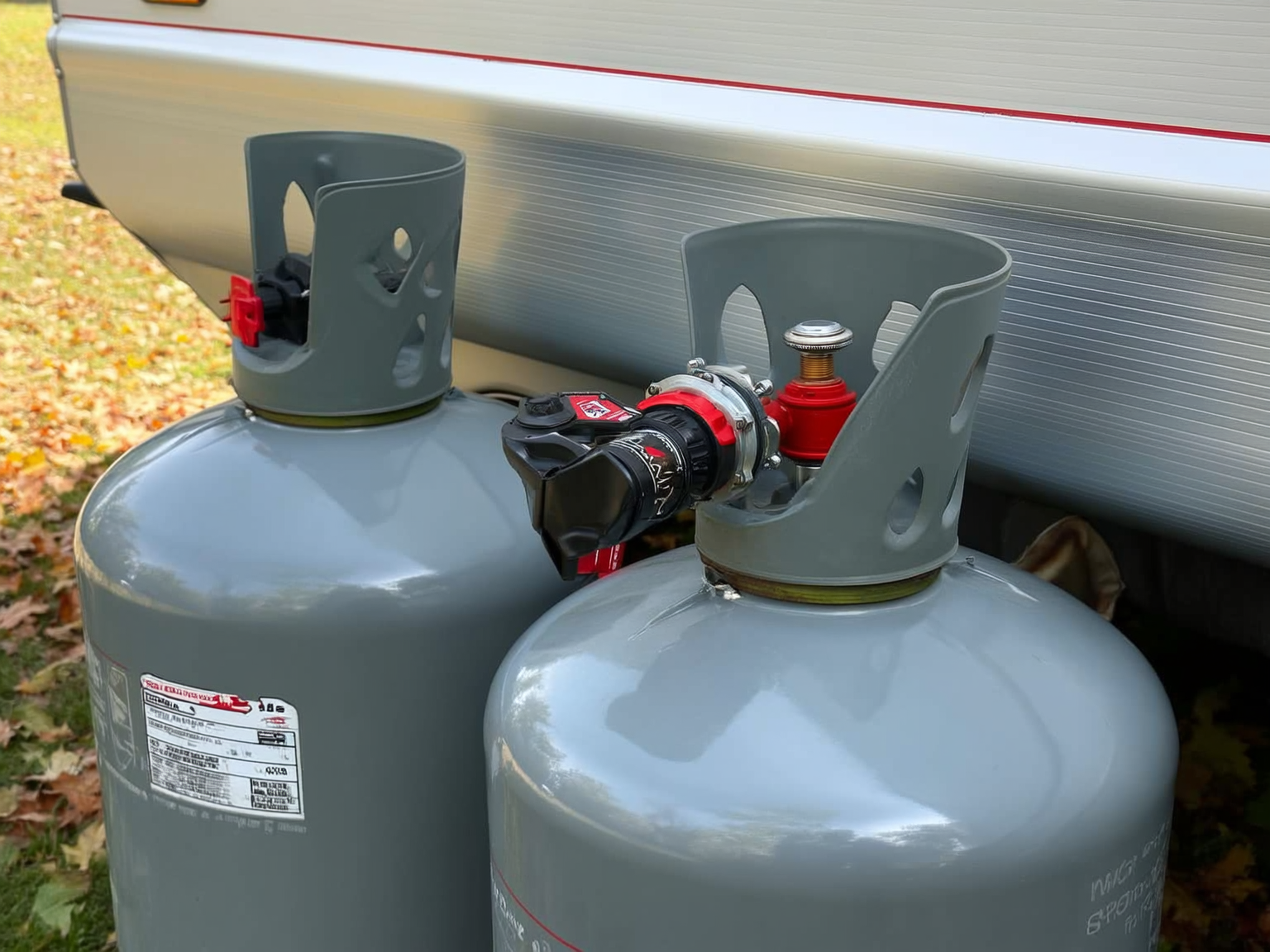
Cold nights mean you will burn through propane faster than you did all summer, so start the season with a full tank and a plan to refill. If you run two tanks, make sure your changeover regulator is actually switching to the second bottle when the first runs dry — you do not want to find out it isn’t at 4 a.m.
Just as important: test your detectors. A furnace running hard for the first time in months is exactly when a working propane (LP) alarm and carbon monoxide detector earn their keep. Press the test button on each, confirm they respond, and replace the batteries or replace any expired unit now. Most CO detectors have a service life of five to seven years — check the date stamp and swap it if it is past due. This is a five-minute job that protects your life.
Manage Condensation and Humidity
When warm, moist indoor air meets cold windows and walls, you get condensation, and in a small space where cooking, breathing, and showering all happen in one room, it adds up fast. Left unchecked, that moisture leads to window drips, damp bedding, and eventually mildew in corners and around slides. Cold Wyoming nights are when full-timers start seeing it. To stay ahead of it:
- Ventilate on purpose. Crack a roof vent or window slightly, especially when cooking or showering, and run your exhaust fans. A little airflow moves damp air out before it collects on cold surfaces.
- Run the vent fan while you cook. Boiling water and simmering meals dump a surprising amount of moisture into the air.
- Consider a small dehumidifier or moisture absorbers. In a tightly closed rig on a cold night, a compact dehumidifier or a few moisture-absorbing tubs near windows make a real difference.
- Wipe down windows in the morning. A quick pass with a towel keeps condensation from pooling on sills and seals, where it does the most damage over time.
Protect Water Lines on Cold Mornings
You are not into hard-freeze territory yet, but those first mornings that dip below 32 degrees can still nip an exposed hose or an unprotected connection. A few small steps buy you real protection during shoulder season:
- Use a heated water hose or insulate the one you have. Your fresh-water hookup line is the most exposed point. A heated hose is the clean fix; foam pipe insulation and a little care is the budget version.
- Insulate the wet bay and hookups. Simple foam wrap on exposed lines and a little insulation in the utility bay go a long way on a 28-degree morning.
- Know your tank-heater situation. If your rig has tank and underbelly heating pads, confirm they work now. If it doesn’t, you will want to be extra mindful once nights get consistently cold.
- Let a faucet drip on the coldest nights. On an unexpectedly cold night, a slow trickle keeps water moving through the lines, lowering the risk of freezing.
This is one place where a full-hookup park makes shoulder season genuinely easier — more on that below.
Dial In Comfort: Bedding, Windows, and Airflow
Once the mechanical checks are done, a few comfort moves make the cold mornings pleasant instead of something to endure:
- Swap to warmer bedding now. Flannel sheets and an extra blanket beat waking up cold and hunting for layers half-asleep.
- Use your window coverings strategically. Open shades on the sunny side during the day to soak up free heat, then close everything at night to retain it. Reflective window insulation, or even simple thermal curtains, can cut a lot of overnight heat loss through the glass.
- Add a rug or two. RV floors get cold, and a rug over bare vinyl makes a bigger difference in comfort than you would expect.
- Seal the obvious drafts. Check around slide seals, the entry door, and older windows. A cheap weatherstrip kit or a draft stopper at the door keeps the furnace from working overtime.

When Full Hookups Make Shoulder Season Easy
A lot of cold-weather stress in an RV comes down to managing limited resources — watching your fresh tank, rationing power for heat, hunting for a place to dump before a freeze. A full-hookup site takes most of that off your plate. With steady 30/50-amp power, you can run electric heat to take the load off your propane, keep a small dehumidifier going, and stay comfortable without babysitting your battery bank. With sewer and water on site, you are not moving the rig or draining tanks in freezing weather just to keep going.
At Rone’s RV Park in Casper, that reliability is the whole point, especially for the full-time RVers, traveling workers, and hunters who are here through the shoulder season and into fall. If you are settling in for a longer stay, a stable, serviced site is what turns Wyoming’s cold mornings from a problem into a non-issue. And if you are heading out between cold snaps, always check the Wyoming DOT travel map for road and weather conditions before you roll, and browse Travel Wyoming for fall activities worth the trip.
Frequently Asked Questions
When do cold nights start in Casper, Wyoming?
At Casper’s 5,100-foot elevation, overnight lows can drop into the 40s by late August and into the 30s by early September, even while afternoons stay warm. The first sub-freezing nights often arrive in September, so late summer is the time to prepare. Check the National Weather Service forecast for current conditions.
Do I need to winterize my RV in early fall?
Not fully — full winterization is for sustained hard freezes later in the season. For shoulder season, focus on furnace testing, propane, condensation control, and light freeze protection on your water lines so you stay comfortable through cold mornings while your days are still warm.
How do I stop condensation in my RV on cold nights?
Ventilate on purpose — crack a roof vent, run exhaust fans while cooking and showering, and consider a small dehumidifier. Wiping down windows in the morning keeps moisture from collecting on the seals and causing mildew.
Why is a full-hookup park easier in cold weather?
Steady power lets you supplement propane heat with electric, and on-site water and sewer mean you are not draining tanks or moving your rig in freezing weather. It removes most of the resource-management stress of shoulder-season RV living. Contact Rone’s RV Park to ask about full-hookup and extended-stay sites.
Stay Warm and Comfortable This Fall
Wyoming’s first cold nights do not have to be a scramble. Run your furnace now, check propane and detectors, get ahead of condensation, and protect your water lines, and the temperature swing becomes something you planned for instead of something you woke up to. If you want a comfortable, full-hookup home base for the shoulder season and into fall, Rone’s RV Park in Casper is built for exactly that. Contact us to reserve your site and settle in before the cold arrives.