
You spent the season scouting units, sighting in, and finally filling your tag out on the Wyoming high plains. Now comes the part almost nobody plans for: getting that harvest home cold, clean, and legal. If you’re basing your RV near Casper for antelope, deer, or elk, the good news is that the “get-it-home” leg is far easier from a full-hookup basecamp than from a remote camp. Here’s exactly how to handle processing, cold storage across a multi-week stay, and the long drive back without losing a pound of meat.
Why Getting the Harvest Home Trips Up So Many Hunters

Field dressing and quartering in the field is the part every hunter rehearses. The part that goes sideways is everything after: where to hang or chill the meat for the days between your first animal and the end of your hunt, how to get it professionally processed on a tight timeline, and how to keep hundreds of pounds of protein at a safe temperature across a two-day drive to another state.
Warm early-season weather makes this harder, not easier. Central Wyoming can run well above normal in mid-to-late September, and a cooler sitting in the sun behind your truck is not a refrigerator. Meat held above 40°F for too long spoils, and a spoiled quarter is a wasted animal, a wasted tag, and a wasted trip. The single biggest advantage of a basecamp with reliable power and a real place to store gear is that it turns the cold-storage problem from a daily scramble into a solved system.
Step 1: Cool It Fast, Then Keep It Cool
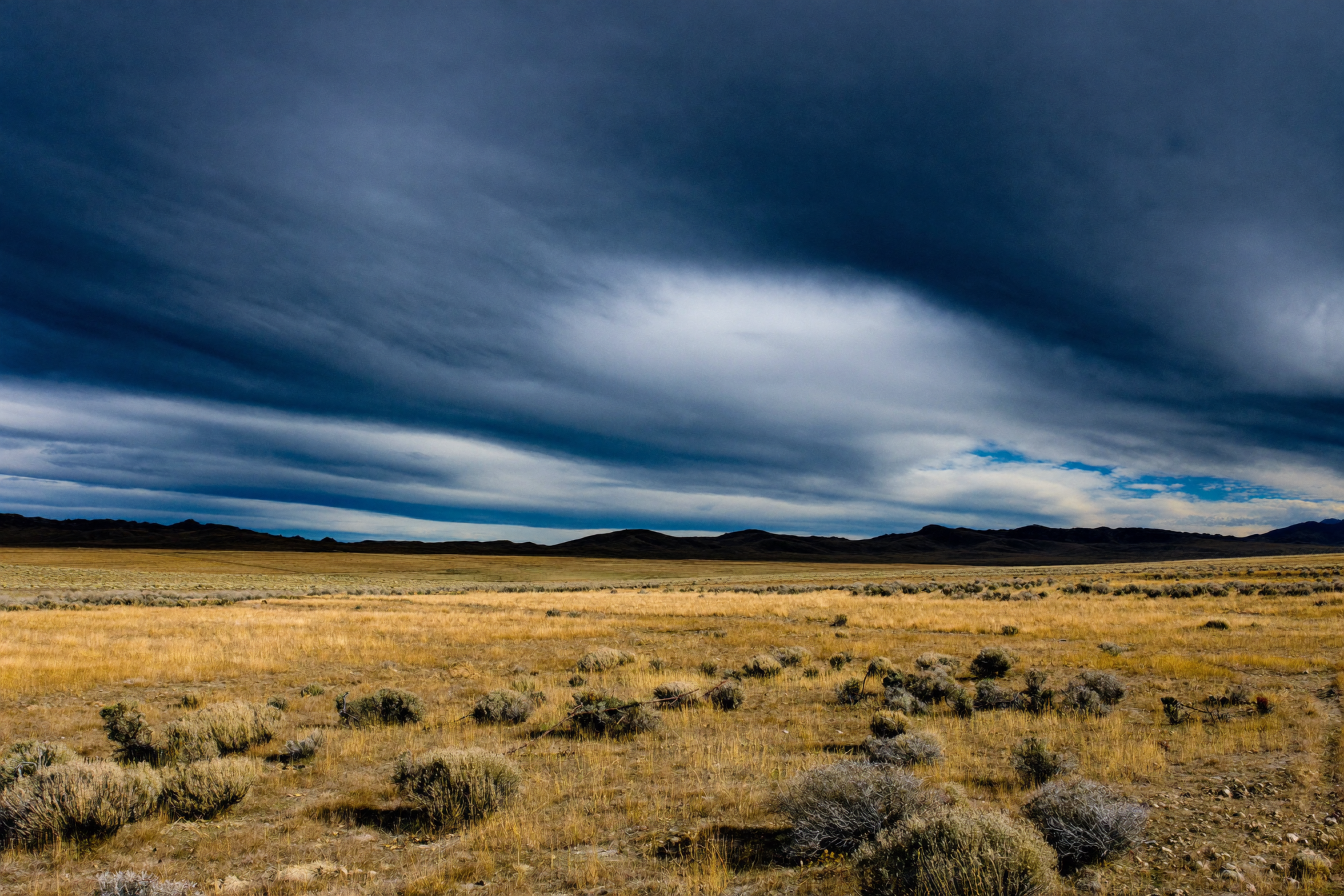
The clock starts the moment the animal is down. Get the hide off and the carcass quartered as quickly as you safely can, then get airflow around the meat. In the field, that means game bags and shade. Back at a full-hookup site, that means real refrigeration.
This is where a stable basecamp earns its keep. With dependable shore power at your site, you can run a 12-volt portable freezer or a second fridge inside the rig and actually hold your harvest at a safe temperature for the length of your stay — something a bag of gas-station ice in a cooler simply cannot do over a multi-week hunt. If you’re staging coolers, keep them out of direct sun, drain meltwater daily, and layer meat with block ice rather than cubes, which last far longer.
A few working habits that protect a harvest:
- Keep a cheap probe thermometer in your storage cooler or freezer and check it twice a day. If it drifts above 40°F, act immediately.
- Never seal warm meat in plastic — let quarters cool with airflow first, or you’ll trap heat and speed spoilage.
- Keep game bags breathable and dry; wet bags against meat invite bacteria.
- Separate meat from hide, cape, and antlers so odors and moisture don’t cross over.
Step 2: Line Up a Casper-Area Processor Before You Hunt
Casper is a genuine hunting hub, which means local meat processors get slammed the week the rifle antelope season opens and again when deer and elk rifle seasons roll in through October. Walk-in wait times stretch fast. The hunters who get in and out quickly are the ones who call ahead, ask about drop-off windows, and understand turnaround times before they ever pull a trigger.
When you call a processor, confirm a few things: whether they take walk-ins or require an appointment, how they want the animal delivered (quartered, skinned, tagged), their turnaround time during peak weeks, and what cuts and packaging they offer. If you’re driving out of state, ask whether they can flash-freeze and vacuum-seal — frozen, sealed packages travel far better than fresh cuts in a cooler.
Wyoming also has specific rules on evidence of sex, tagging, and transporting game meat. Confirm the current regulations directly with Wyoming Game & Fish before you travel so your load is legal across the whole drive home. If you’re new to the area and want a sense of local services and the town itself, Visit Casper is a useful place to start.
Step 3: Hold It Cold Across a Multi-Week Stay
Most serious hunts aren’t one-and-done. You might tag out on antelope in the first days and keep hunting deer for another two weeks, which means your first harvest has to stay frozen the entire time. This is exactly where a remote camp fails, and a full-hookup basecamp wins.
With reliable power, a chest freezer or 12-volt unit at your site holds a season’s worth of meat indefinitely. You’re not driving into town every morning for ice, babysitting a melting cooler, or running an emergency processor because your cooler failed overnight. If you’re running a bigger operation with a side-by-side, gear trailers, and extra coolers, having a place to lock everything down between field days matters too — on-site storage keeps overflow gear secure and out of the weather while your freezer does its job at the site.
Step 4: Pack for the Drive Home
The long haul back to another state is where a well-managed harvest can still be lost. The goal is simple: keep everything at or below freezing for as long as possible, and slow every thaw you can’t prevent.
Build your load the night before you leave, not the morning of. Frozen, vacuum-sealed packages are your best friend — pack them tight so they hold each other cold, and fill gaps with block ice or dry ice. If you use dry ice, handle it with gloves and never seal it in a fully airtight container or an enclosed cab; it needs ventilation. Pre-chill your coolers before loading, keep them in the shade during fuel stops, and resist opening them until you’re home. A full cooler that stays shut holds temperature far longer than a half-empty one opened every few hours.
Plan your route with weather and road conditions in mind, too. Fall storms move fast across Wyoming, and a closed highway can add hours to a drive your meat is counting on being short. Check Wyoming 511 road conditions before you roll out.
Why a Casper Basecamp Makes the Whole System Work
Every step above gets easier with a stable home base near town. Full hookups mean you can actually freeze and hold your harvest. Proximity to Casper means processors, dry ice, and supplies are minutes away, not a half-day round trip. Hot showers and laundry mean you come off cold, bloody field days to real recovery instead of another night in a damp tent. Secure storage also means your gear is locked down while you hunt.
If you’re already planning next season, browse more hunting and seasonal guides on the Rone’s RV Park blog, or see what else there is to do in the area on our things to do page. When you’re ready to lock in your dates, contact Rone’s RV Park to reserve a full-hookup site and ask about extended-stay rates for a multi-week hunt.
Frequently Asked Questions
How long can I keep game meat before it needs to be processed or frozen?
Cool the carcass quickly and keep quarters at or below 40°F. If kept cold and dry with good airflow, meat can hang or chill for several days before processing, but the faster you freeze it or have it professionally processed, the safer it is and the better it tastes. Warm weather shortens that window sharply, which is why on-site freezer power at a full-hookup basecamp is such an advantage.
Do Casper meat processors take walk-ins during hunting season?
Some do, but peak weeks around the rifle openers fill fast and wait times climb. Call ahead, ask about drop-off windows and turnaround times, and confirm how they want the animal delivered. Booking your processing plan before you hunt saves you a scramble after a successful day in the field.
What’s the best way to keep meat cold on a long drive home?
Freeze and vacuum-seal your packages first, pack coolers tight to hold cold, and fill gaps with block ice or dry ice. Handle dry ice with gloves and keep it ventilated — never sealed airtight or in an enclosed cab. Pre-chill coolers, keep them shaded at stops, and don’t open them until you’re home.
Do I need special permits to transport game meat out of Wyoming?
Wyoming has rules on tagging, evidence of sex, and transport that you must follow. Confirm the current regulations with Wyoming Game & Fish before you travel so your entire load is legal from the field to your home state.
Planning your Wyoming hunt? Rone’s RV Park in Casper offers full-hookup sites, secure storage, and hot showers just minutes from local processors and the hunt units — the practical basecamp for getting your harvest home right. Contact us to reserve your spot.