
Why Your RV Gray Tank Smells and What to Check First
If your RV gray tank smells, start by checking the sink and shower traps, the air admittance valve, the vent stack, the buildup inside the tank, and how you use your sewer hose when connected to hookups. Most gray tank odor problems are not random. They stem from a few predictable issues that get worse when you live in the RV every day.
For full-time RVers, traveling workers, and long-stay guests in Casper, gray tank odor is a daily living issue, not a minor travel annoyance. When your rig is your home, sewer and drain habits matter. The upside is that most gray tank smells can be traced back to a short checklist.
If you are staying in central Wyoming and want a reliable full-hookup setup while you troubleshoot or settle in, stay at Rone’s RV Park in Casper. Stable utilities and spacious sites make it easier to address the real issue rather than guess.
What the Gray Tank Actually Does
Your gray tank holds wastewater from sinks and showers. It usually does not hold toilet waste, which goes into the black tank. But gray water still carries food particles, grease, soap residue, hair, and bacteria. Over time, that mix can turn sour, especially when the RV is lived in full-time.
Check the P-Traps First
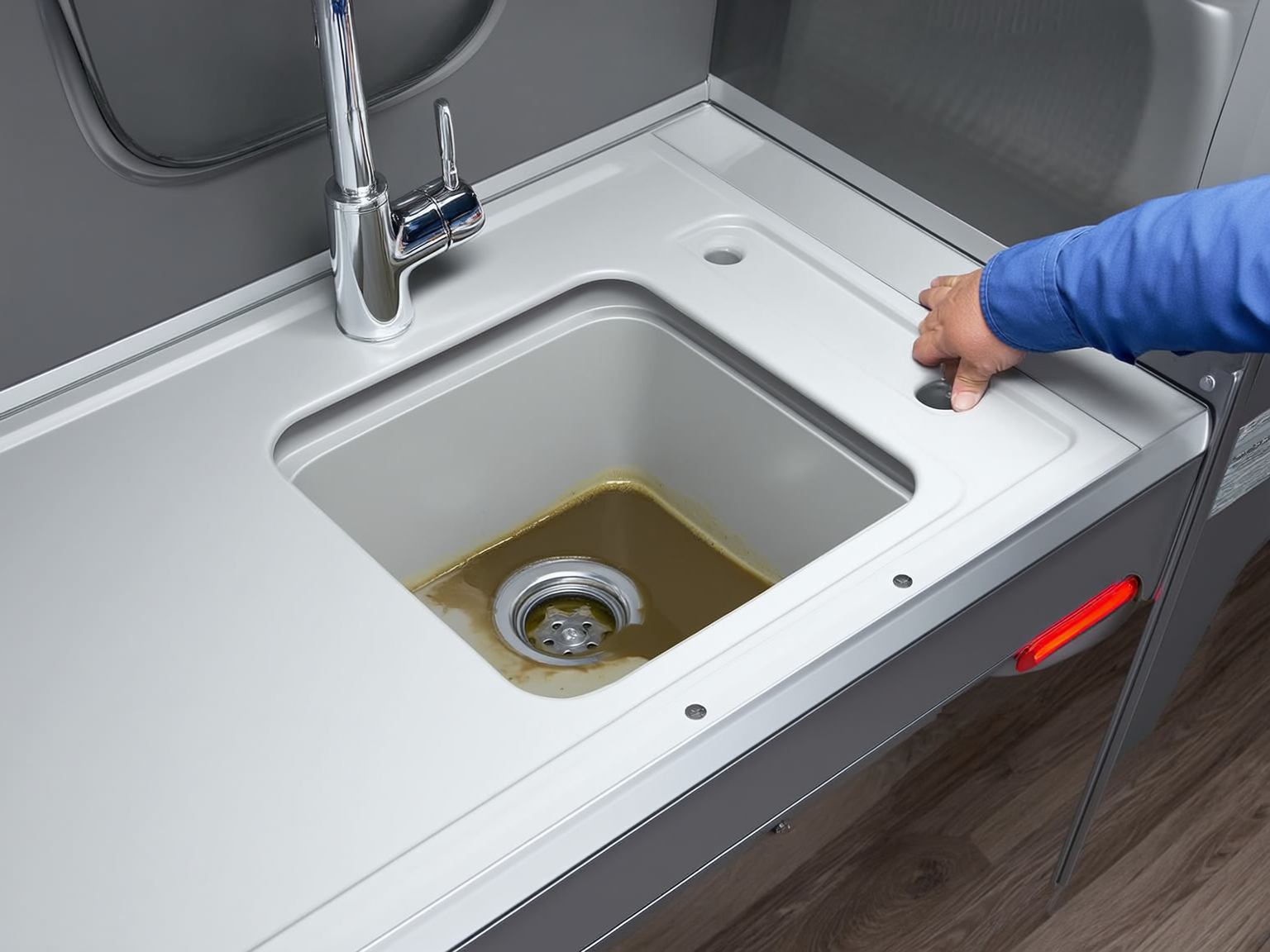
If the odor seems strongest at the sink or shower, start with the P-traps.
P-traps are designed to hold a small amount of water that blocks sewer gases from coming back up through the drain. If that water evaporates, splashes out while driving, or never gets replenished in a rarely used drain, odor can rise straight into the RV.
Check these spots first:
- Kitchen sink
- Bathroom sink
- Shower drain
- Washer drain, if your rig has one
Run water down each drain for at least several seconds. If the smell improves quickly, a dry trap may have been the main problem.
This is especially common when an RV has been sitting, when you just arrived after a drive, or when one fixture gets used less than the others.
Inspect the Air Admittance Valve Under the Sink

One of the most overlooked sources of odor in an RV is the air admittance valve, often called an AAV. It is usually found under a sink and helps the plumbing system equalize pressure.
When the valve fails, it can let sewer odor into the RV even if the tank itself is not the main issue.
Signs the AAV may be the problem:
- Odor is strongest under the kitchen or bathroom sink
- The smell worsens after draining water
- You have already added treatment, but nothing has changed
- The smell seems localized instead of spread throughout the rig
These valves are inexpensive and commonly fail with age.
Make Sure the Roof Vent Is Not Blocked
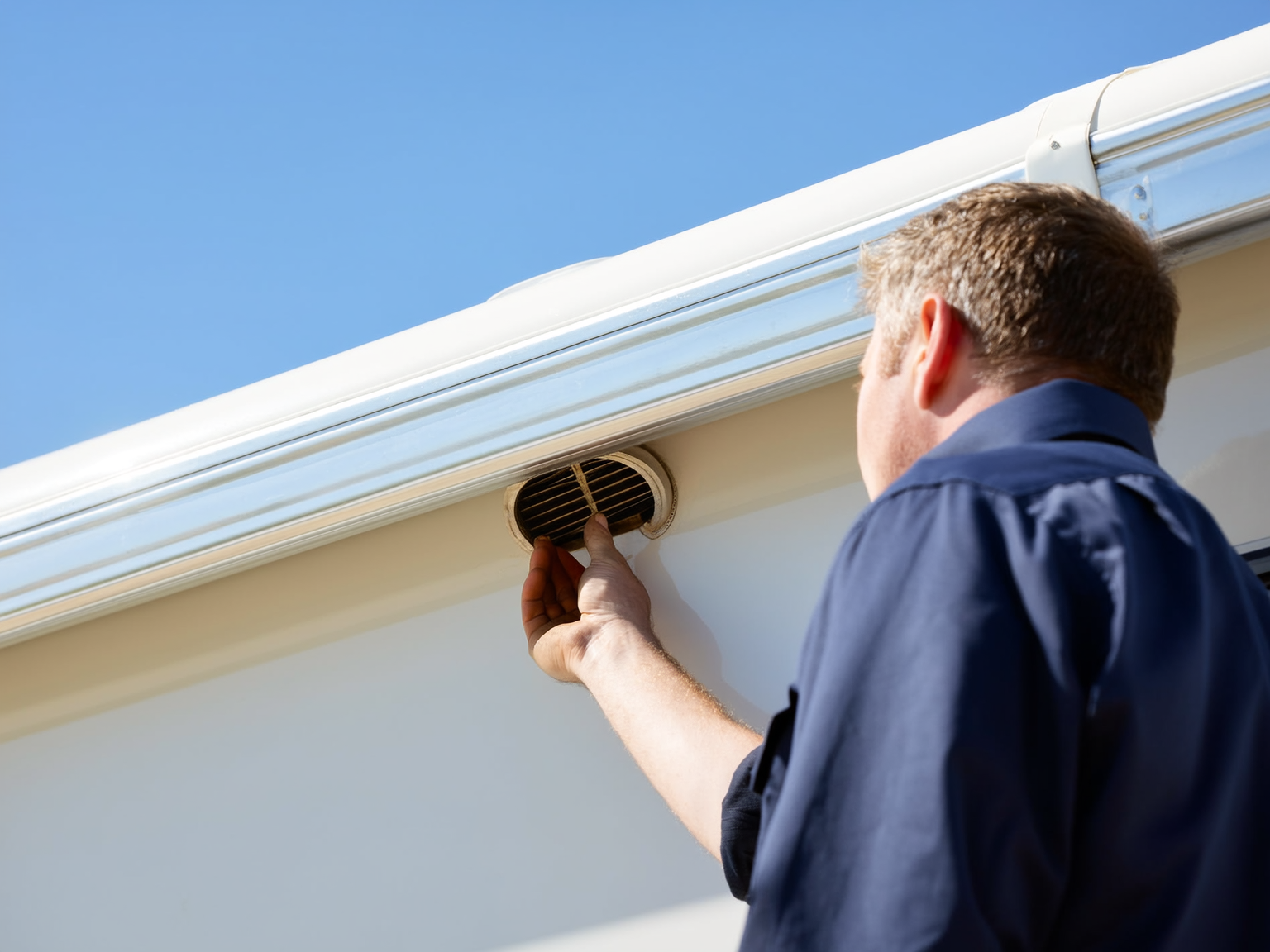
Your gray tank relies on a roof vent to release gases properly. If that vent is blocked by debris, nests, or buildup, pressure can push odors back into the RV instead of venting them upward.
Inspect the vent carefully and safely. You are looking for:
- Leaves or dust blockage
- Insect or bird nesting material
- Cracked vent cap components
- Anything that suggests airflow is restricted
Wyoming wind and dust can make vent maintenance more important than many RVers expect.
Stop Leaving the Gray Tank Valve Open All the Time
This is one of the biggest causes of ongoing gray tank odor for RVers on full hookups.
It feels logical to leave the gray tank open so water drains automatically. The problem is that a constantly open valve can allow odors to travel more easily through the sewer hose system, especially if the hose setup is poor or if there is not enough standing water to help block gas movement.
It also prevents the tank from accumulating enough water volume to effectively flush out residue. Instead of a stronger rinse, you can end up with a layer of grease, soap film, and food waste coating the inside.
A better habit is usually this:
- Keep the gray tank closed until it is partially full
- Dump it in a stronger flush
- Add water back into the tank afterward
That routine gives you better cleaning action and often reduces lingering smell.
Look for Grease and Food Buildup in the Kitchen Line
Kitchen sink gray water is usually the dirtiest part of the system. Tiny food scraps, oil, coffee residue, sauces, and dish soap all collect over time.
Even RVers who scrape plates well still send a surprising amount of organic material down the drain. Once that buildup coats the tank or pipe walls, it starts to smell.
Things that help:
- Wipe greasy pans before washing
- Use sink strainers
- Flush the kitchen line with hot water when appropriate for your setup
- Avoid treating the sink like a garbage disposal
Check the Sewer Hose Setup If You Are on Full Hookups
A sloppy hose setup can turn a manageable odor issue into a constant one.
Check for:
- Low spots in the hose where wastewater sits
- Weak seals at the site connection
- Poor hose support or sagging
- A loose cap or fitting
- A hose that is old and has an odor
At an established full-hookup park, proper site setup is easier to maintain, but your own equipment and habits still matter.
Clean the Tank, Do Not Just Deodorize It
Many gray tank products only try to mask the odor. That is not enough if the residue is already coating the inside of the tank.
What actually helps is the cleaning action.
Depending on your rig and manufacturer guidance, that may include:
- Filling the tank partway with water and an RV-safe tank cleaner
- Flushing the tank thoroughly
- Repeating the process if the odor has been present for a while
The goal is to break up the film inside the tank, not just perfume it.
Watch for Shower and Bathroom Buildup Too
Gray tank odors are not only a kitchen issue. Hair, soap scum, and body oils from the shower can create their own smell, especially if the RV is occupied daily.
Bathroom sink and shower drains should be checked for:
- Hair accumulation
- Slow drainage
- Soap sludge
- Trap water level
Think About Wyoming Heat, Wind, and Daily Use Patterns
Casper weather can intensify small RV maintenance issues. Dry air and wind can affect how quickly water evaporates from less-used drains, and warm afternoons can make odors more noticeable inside a closed RV.
This is one reason long-stay RVers usually do better with stable routines and a reliable home base. Rone’s RV Park offers full hookups, roomy pull-through sites, and practical access for RVers who need Casper to function like real life, not just a stopover.
When the Smell Means You Need a Deeper Inspection
If you have checked the traps, valve, vent, and tank-cleaning routine, and the sewer hose setup, but the odor still persists, look deeper.
You may be dealing with:
- A cracked vent line
- A hidden leak under the sink or shower
- A failing seal in the drain system
- Old hose equipment that permanently smells
- Contamination from a black tank issue is being misidentified as a gray tank odor
At that point, stop guessing. Persistent sewer odor is usually cheaper to address early than after it spreads into cabinets, flooring, or everyday quality of life.
FAQ: Why Your RV Gray Tank Smells and What to Check First
Why does my RV’s gray tank smell even when I just dumped it?
If your RV gray tank smells right after dumping, the issue may be residue inside the tank, a dry trap, a bad air admittance valve, or a venting problem. Dumping alone does not always remove buildup.
Should I leave my gray tank open when I am on full hookups?
Usually no. Keeping the gray tank open all the time can reduce flushing power and allow odors to travel more easily through the sewer setup. Letting the tank fill partway before dumping is often a better routine.
Can the gray tank odor come from the kitchen sink?
Yes. Kitchen lines often produce the strongest gray tank odors because food particles, grease, and soap residue build up faster there than in bathroom drains.
Where should I stay in Casper if I need reliable full hookups while living in my RV?
A stable full-hookup park makes troubleshooting and daily living easier. Contact Rone’s RV Park if you need a practical Casper base for an extended stay.
Final Take
If your RV gray tank smells, what you check first matters. Start with the simple failure points, like dry traps, bad AAVs, blocked vents, hose setup, and buildup from everyday kitchen and shower use. Most odor issues are fixable once you stop treating them like a mystery. For full-time RVers and workers staying in Casper, that kind of basic system discipline makes daily life dramatically easier.
Planning a longer Wyoming stay? Stop by Rone’s RV Park for a comfortable full-hookup base while you get your RV systems dialed in.