
Why Campground Water Tastes Different and How RVers in Casper Can Improve It
Campground water tastes different for a few common reasons: mineral content, chlorine treatment, hose contamination, warm-water storage, and neglected RV plumbing. If you want better-tasting water in your rig, start with a drinking-water-safe hose, a quality filter, clean connections, and a fresh water system that is actually sanitized on schedule.
For full-time RVers, long-stay guests, and workers living in their rig around Casper, water taste is not a small detail. It affects coffee, cooking, hydration, ice, pets, and your overall comfort every day. The goal is not to assume the water is bad. The goal is to figure out where the change in taste is occurring and fix the right part of the chain.
If you are using Casper as a longer-term base, stay at Rone’s RV Park, where full hookups make it easier to establish a cleaner, more reliable daily routine.
Why Water Can Taste Different at One Park Than Another

Not all campground water tastes the same because not all water sources are the same. Municipal treatment methods, regional mineral content, pipe age, and seasonal conditions can all change what you notice in the faucet.
In Wyoming, minerals and dry conditions can make water feel different from what RVers are used to elsewhere. Sometimes the taste comes from the local source. Other times, the issue is inside the RV itself.
That is why it helps to think in layers:
- Source water quality
- Campground spigot condition
- Your hose and pressure setup
- Filter quality and replacement timing
- The RV’s own freshwater tank and plumbing lines
Start With Your Drinking Water Hose

One of the easiest ways to ruin the taste of water is to use the wrong hose or leave a good hose in poor condition. If the hose is not rated for drinking water, or if it has been baking in the sun and collecting residue, taste problems get worse quickly.
Check these basics:
- Use a potable-water-safe hose only
- Avoid mixing drinking hoses with rinse or sewer gear
- Drain and store the hose clean when possible
- Replace hoses that smell odd, feel degraded, or leave a plastic taste
A lot of RVers blame the park immediately when the real issue is a worn hose.
Filters Matter, But the Right Filter Matters More
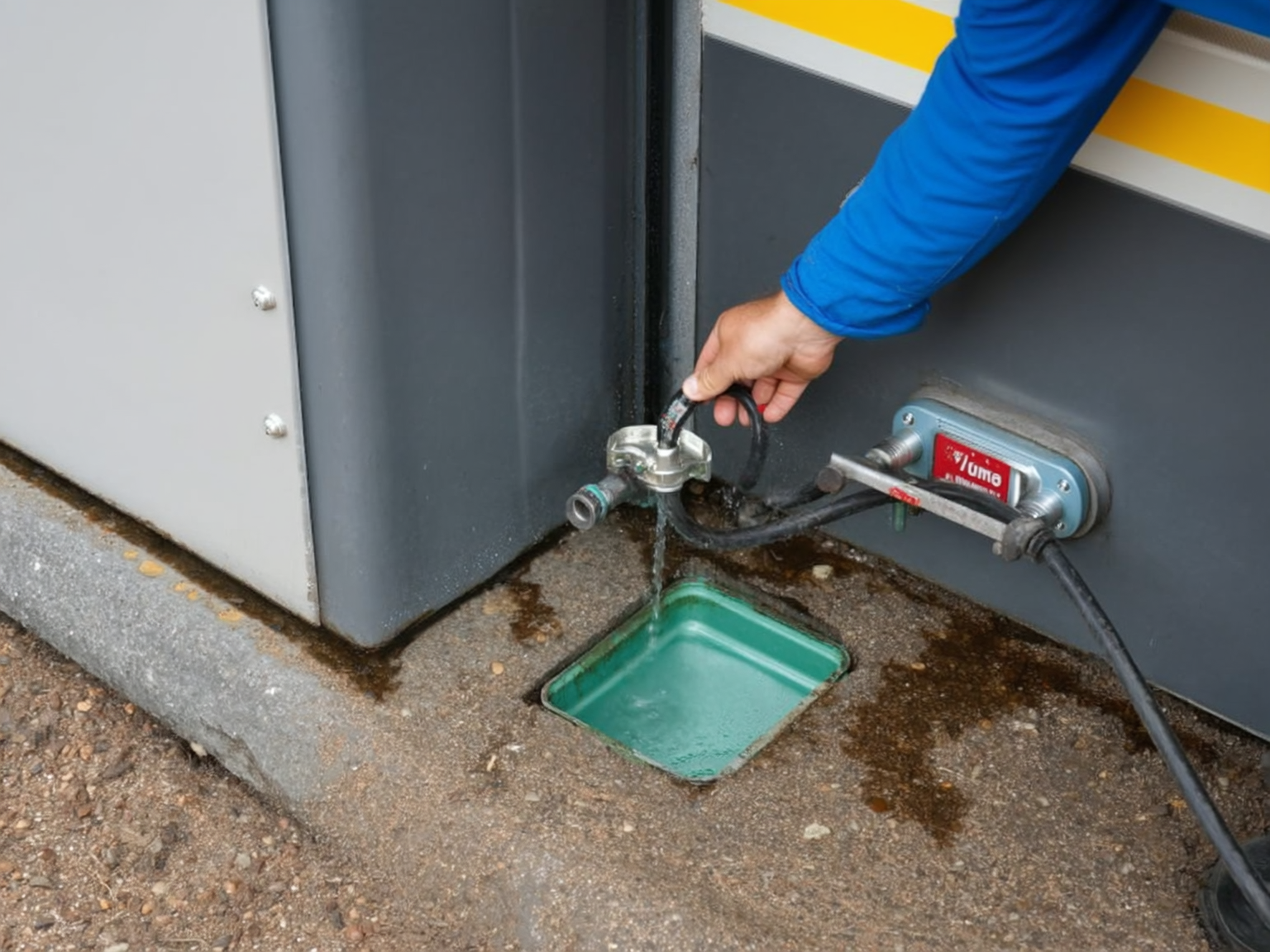
A small inline filter can improve taste, but not all filters solve the same problem. Some are mainly for sediment. Some reduce chlorine taste. Some provide more robust filtration for longer stays.
When choosing a filter setup, think about:
1. Whether you need taste improvement, sediment reduction, or both
2. How long you are staying in Casper
3. Whether you mostly use city water or fill the freshwater tank regularly
4. How often you actually replace cartridges
A filter that is overdue for replacement can become part of the problem instead of the solution.
Clean the Spigot Connection and Hose Ends
Sometimes the bad taste is not coming from the water supply at all. It is coming from dirty fittings, old washers, or hose ends that have sat on the ground. This is a small detail that makes a big difference.
Before connecting:
- Inspect the spigot for visible dirt or debris
- Rinse the connection briefly if appropriate
- Keep hose ends capped when not in use
- Replace old washers that smell musty or look worn
These are simple habits, but they help protect the cleaner water you are trying to get into the rig.
Do Not Ignore Your Freshwater Tank and Interior Lines
If you ever run water through the tank, the tank itself may be affecting the taste. That is especially true if the water sat for too long, if the system was not sanitized recently, or if the heat changed the flavor while the RV was parked.
Signs the issue may be inside the RV include:
- Water tastes worse after sitting overnight
- The smell is stronger from one faucet than another
- Tank-filled water tastes worse than a direct city water hookup use
- Ice tastes off even when the source water seems okay
Sanitizing your freshwater system on a regular schedule is one of the best ways to improve taste and confidence. If you need a refresher on broader water-system upkeep, explore the Rone’s RV Park blog for more RV maintenance guidance.
Heat Changes Water Taste Faster Than Many RVers Expect
Summer heat matters. A hose sitting in direct sun can warm the water quickly and bring out plastic flavors or stale taste. The same goes for water sitting in interior lines or tanks during hot afternoons.
Practical ways to reduce heat-related taste issues:
- Let hot water run briefly before filling a glass or coffee pot
- Store hoses out of direct sun when possible
- Avoid leaving drinking water in portable containers too long
- Refill and rotate stored water more often during hotter weeks
For full-time RVers, better-tasting water often comes down to these boring but reliable habits.
Know When the Problem Is Hard Water Versus Dirty Water Taste
Mineral-heavy water and dirty-tasting water are not the same thing. Hard water may leave scale, affect coffee flavor, or make soap act differently. Dirty or musty taste may point more toward hose issues, old filters, standing water, or plumbing that needs attention.
If the water is safe but simply tastes different, filtration and storage habits may be enough. If taste changes suddenly or seems truly unusual, it may be worth asking the park for details about the supply or checking whether your own system needs service.
Why This Matters for Long-Stay RV Living in Casper
A weekend traveler might shrug off slightly different water. A person living in the rig for a month will not. Daily hydration, meal prep, pet care, and normal comfort all depend on the water you trust.
That is one reason stable hookups matter. Contact Rone’s RV Park if you need a comfortable Casper base with full hookups and the space to build a cleaner, more organized long-stay routine. Once you are settled in, you can also explore activities near our park instead of spending every day troubleshooting your setup.
A Simple Water-Taste Improvement Routine
If you want a practical routine, start here:
1. Inspect and rinse the spigot connection
2. Use a potable-water-safe hose only
3. Add or replace a filter suited to taste and sediment
4. Sanitize the freshwater system if it is overdue
5. Flush sun-heated water before drinking
6. Monitor whether the issue is from city hookup water, tank water, or both
That sequence usually reveals where the taste problem is happening.
FAQ: Campground Water Tastes Different and How RVers in Casper Can Improve It
Why does campground water taste fine outside but strange inside my RV?
That often points to your hose, filter, tank, or interior plumbing rather than the source water itself. The taste may be changing somewhere between the spigot and the faucet.
Will an inline RV water filter improve taste?
Often, yes. Many inline filters reduce chlorine taste and sediment. The key is to use the right filter for your needs and replace it on time.
Should I drink from my freshwater tank?
You can if the system is properly maintained, sanitized, and filled with safe water. But if the tank or lines are overdue for cleaning, taste and odor problems are more likely.
Where can I stay in Casper with reliable full-hookup RV service?
Rone’s RV Park is a practical option for full-time RVers, traveling workers, and extended-stay guests who want a stable Casper home base.
Final Take
If campground water tastes different in your RV, the answer is usually not one big mystery. It is a chain of small factors: source minerals, hose quality, filter performance, sun exposure, and freshwater system maintenance. Improve those one by one, and your water usually gets much better fast.
Planning a Wyoming stay where daily comfort matters? Stay at Rone’s RV Park in Casper for a dependable full-hookup base that makes long-term RV living easier.