
What Parts of an RV Slideout Actually Need Lubrication?
If you are wondering what parts of an RV slideout actually need lubrication, the honest answer is not “everything that moves.” That is one of the fastest ways to create a mess, attract dirt, or damage parts that were never supposed to be coated in the first place.
The better approach is targeted maintenance. Some slideout components may need lubrication, depending on your system and the manufacturer’s guidance. Others should be kept clean and dry. Knowing the difference matters, especially in Wyoming, where dust, wind, and long travel stretches can make over-lubricated parts collect grime fast.
For RVers using Casper as a basecamp or settling in for a longer stay, this is the kind of maintenance task worth handling before a small slide issue becomes a bigger headache. If you want room to inspect and maintain your rig comfortably, stay at Rone’s RV Park in Casper.
Why This Topic Confuses So Many RV Owners
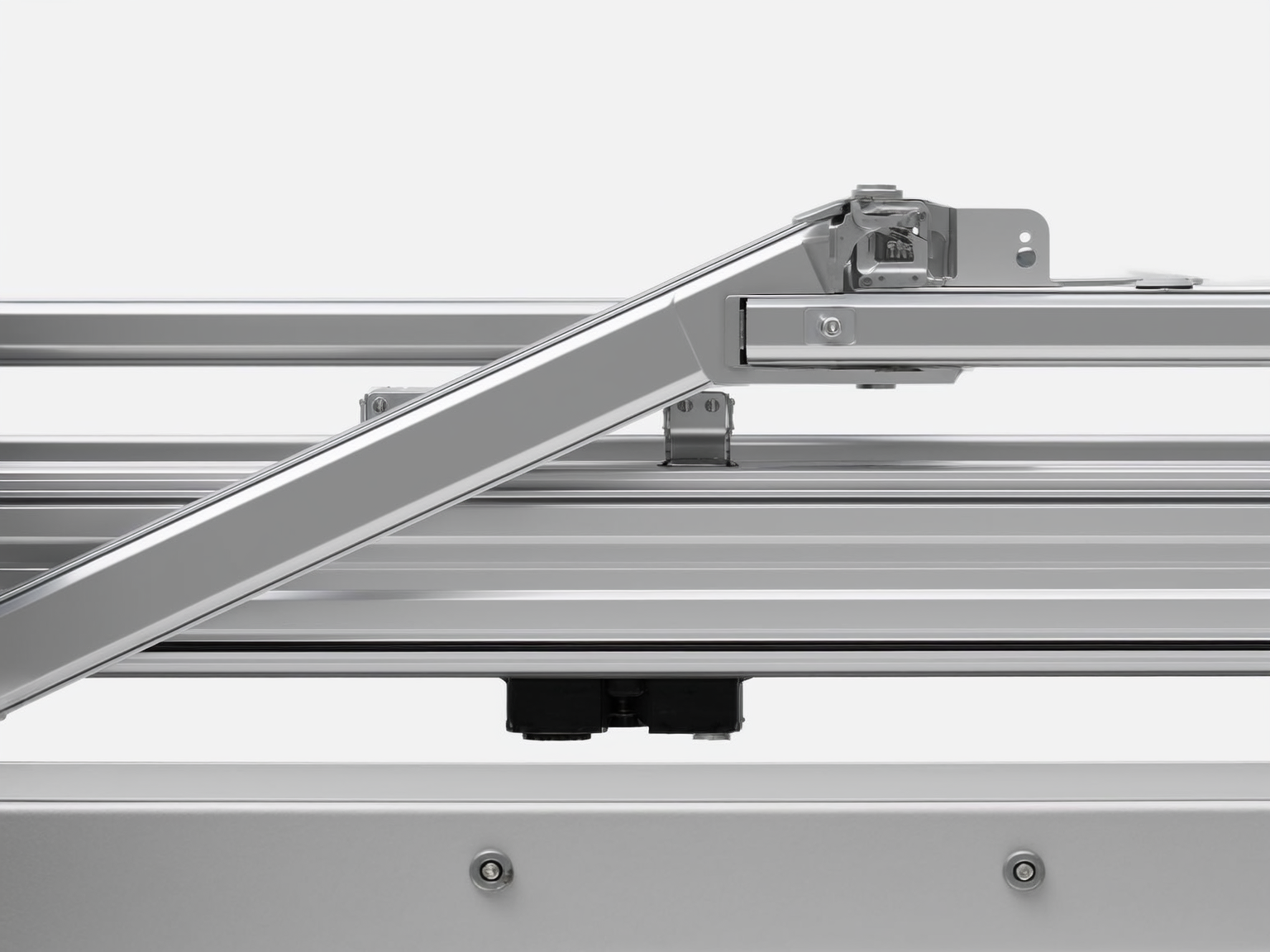
Slideouts feel simple from the outside. You push a button, the room moves, and life continues. But behind that movement is a system of seals, tracks, gears, rails, arms, or mechanisms that are not all treated the same way.
What confuses people is that “lubricate the slide” sounds like general advice, but different systems have different needs. Some manufacturers want specific dry lubricants on certain moving parts. Others warn against lubricating areas that seem obvious.
That means the right maintenance mindset is this:
- Identify your slide mechanism first
- Follow manufacturer guidance before improvising
- Clean before applying anything
- Avoid spraying every visible part just because it moves
The Parts That May Need Lubrication
This depends on the type of slideout system your RV uses, but in many cases the moving mechanical contact points are the parts most likely to need attention.
Possible lubrication points can include:
- Exposed gear packs or drive mechanisms where the manufacturer allows it
- Slide rails or metal contact areas specified by the system maker
- Pivot points or mechanical joints on some through-frame systems
- Certain ram or arm connection points if your manual calls for treatment
The key phrase here is “if your manual calls for it.” We are not a fan of blanket advice on slide systems because it is too easy to do the wrong thing confidently.
If you are preparing for travel to Wyoming or setting up for an extended stay, contact us to reserve your spot at Rone’s RV Park and give yourself a practical place to inspect the system carefully.
The Parts That Usually Need Cleaning, Not More Lubricant
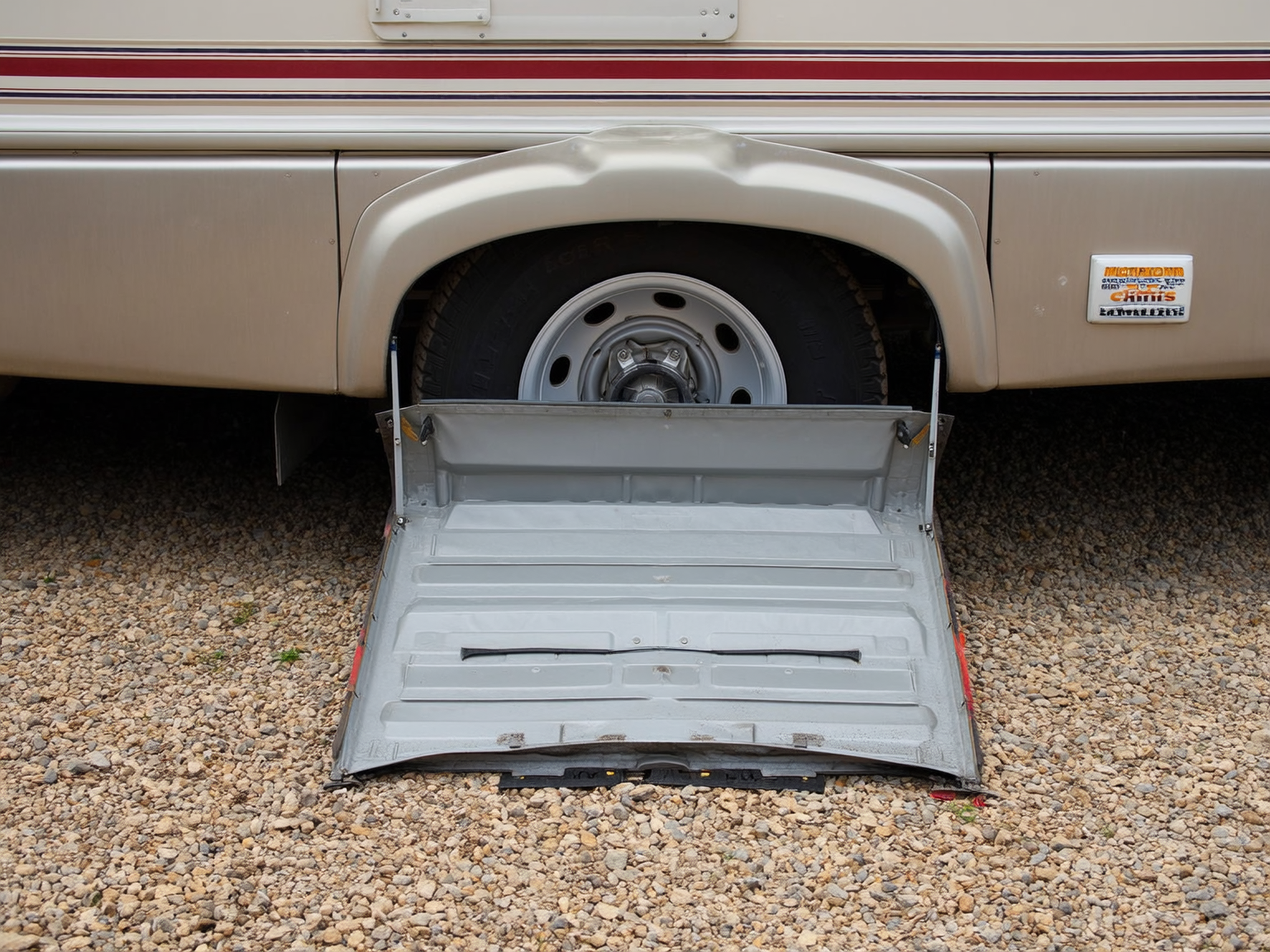
This is where people get into trouble.
In many cases, the following areas should be cleaned and inspected, not soaked:
- Rubber slide seals
- Topper fabric and hardware surfaces
- Sidewalls around the slide opening
- Track areas that collect dust and road grime
- Floor edges or debris points where the room retracts
Rubber seals are a great example. They may need conditioning or treatment, but that is not the same as spraying generic lubricant all over them. Wrong products can leave residue, attract dirt, or break down materials over time.
Wyoming conditions make this even more important. Dust and wind do not play nicely with greasy buildup. Overdo it, and the slide can end up dirtier, noisier, and more troublesome.
What Happens When You Lubricate the Wrong Parts
A lot of RV owners reach for a spray can because the slide is squeaking, hesitating, or simply making them nervous. We get it. But random lubrication can create several problems:
- Dirt and grit stick to wet residue
- Rubber parts degrade faster with the wrong product
- Excess spray migrates into places it should not be
- The real issue gets masked instead of solved
- You assume maintenance is complete when a deeper adjustment is needed
If your slide is dragging, jerking, or sounding uneven, the problem might not be lubrication at all. It could be alignment, seal drag, debris, low battery power, worn components, or something more mechanical.
A Better Way To Think About Slideout Maintenance
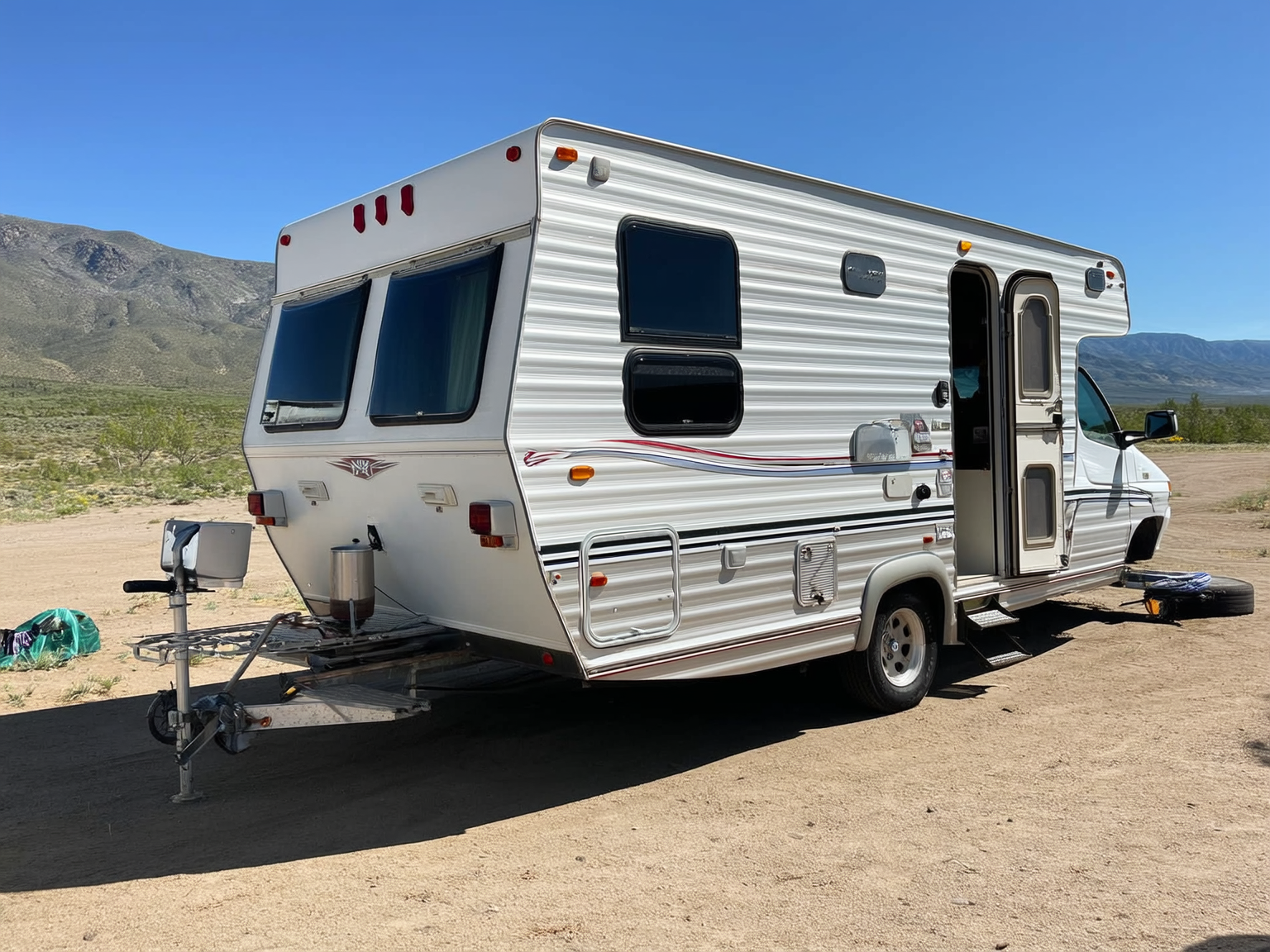
We think the smartest way to handle slideout maintenance is to stop treating lubricant like the first solution. Inspection comes first.
Before applying anything, check:
- Whether the slide is moving evenly
- Whether seals look torn, dry, folded, or dirty
- Whether tracks or rails are carrying obvious grit
- Whether the battery and power supply are strong enough for smooth operation
- Whether there are unusual noises, hesitation, or jerking during travel
That inspection mindset catches more real problems than random spraying ever will.
If you are already in Casper or planning to stop by, Rone’s RV Park is a comfortable place to slow down, inspect your equipment, and keep your rig running well during longer trips in Wyoming.
Wyoming Dust Changes the Equation
One reason this topic matters so much here is that Wyoming conditions reward clean systems. Dust, grit, wind, and long road miles can turn a slightly dirty slide into a maintenance issue faster than you expect.
That means your slide routine should probably emphasize:
- Cleaning debris before every major retract or extend cycle
- Avoiding products that leave sticky buildup
- Checking seals more often after windy travel days
- Paying attention to how the slide sounds and moves over time
If your RV is your full-time home or work base, slide reliability is not a cosmetic issue. It affects insulation, security, weather protection, and day-to-day comfort.
For people relocating or staying in Casper longer-term, explore activities near our park while using a stable full-hookup site as your maintenance basecamp.
A Practical Slideout Lubrication Process
If your manufacturer guidance confirms that certain components should be lubricated, this is the general process we would follow.
1. Identify the slide system
Do not guess. Find the system type and the attached maintenance instructions.
2. Clean first
Wipe away dust, dirt, and old buildup before adding any treatment.
3. Apply only where approved
Use the recommended product on the specific points listed by the manufacturer.
4. Avoid overspray
Keep lubricant off seals, walls, fabrics, and unrelated surfaces unless the product is specifically meant for them.
5. Cycle the slide and recheck
Run the room in and out, then inspect for improved movement, leftover residue, or signs that the issue is not actually lubrication-related.
When the Problem Is Not Lubrication at All
This is worth saying clearly. If a slideout is struggling, lubrication may not be the real fix.
Other causes can include:
- Low battery voltage
- Misalignment or uneven movement
- Damaged seals creating drag
- Debris under the room
- Worn mechanical components
- Water intrusion or corrosion
That is why we would never promise that a spray product solves slideout problems. Sometimes it helps. Sometimes it distracts from the real issue.
For broader public-land travel planning in Wyoming, the Bureau of Land Management, the National Park Service, Travel Wyoming, and Visit Casper are useful resources, but maintenance discipline still starts with your actual rig.
How Full-Time RVers Should Handle This Differently
If you live in your RV full-time or stay in one place for weeks at a time, slide maintenance deserves a more disciplined rhythm than it does for a casual weekend camper.
That means:
- Listening for changes in operation early
- Cleaning visible buildup before it gets packed in
- Inspecting seals regularly because they affect weather protection
- Not postponing small mechanical weirdness until the next state
Full-time RV life is easier when your systems are boring. Smooth slide operation is part of that.
FAQ: RV Slideout Lubrication
What parts of an RV slideout actually need lubrication?
Usually only specific moving mechanical components, and only when the manufacturer recommends it. Rails, gears, or pivot points may qualify depending on the system.
Should I lubricate RV slide seals?
Not with a random lubricant. Seals may need cleaning or a seal-safe treatment, but that is different from spraying them with a general-purpose product.
Can too much lubricant damage an RV slideout?
Yes. Excess or incorrect products can attract dirt, create buildup, degrade materials, and hide the real cause of rough slide operation.
Where can I stay in Casper while doing RV maintenance?
Rone’s RV Park offers a practical Casper basecamp with full hookups, making it easier to inspect and maintain your RV during a short stop or longer stay.
Final Take
What parts of an RV slideout actually need lubrication? Fewer than many RVers think. The smarter move is targeted maintenance, clean surfaces, and manufacturer-specific guidance, not spraying every moving part and hoping for the best.
Need a comfortable place to handle RV upkeep before your next Wyoming route? Rone’s RV Park in Casper offers spacious pull-through sites, full hookups, and a reliable base for everyday RV living and maintenance.