
Every fall, RVers living in and around Casper hit the same fork in the road: stay in the rig and ride out a Wyoming winter, or winterize, put the RV in storage, and find another arrangement until spring. It’s one of the biggest decisions a full-timer or a relocating worker makes all year, and the right answer depends on your setup, your work, and how ready your basecamp is for cold weather. Here’s a clear-eyed way to make the call before Casper’s first hard freeze.
First, Know When the Cold Actually Arrives
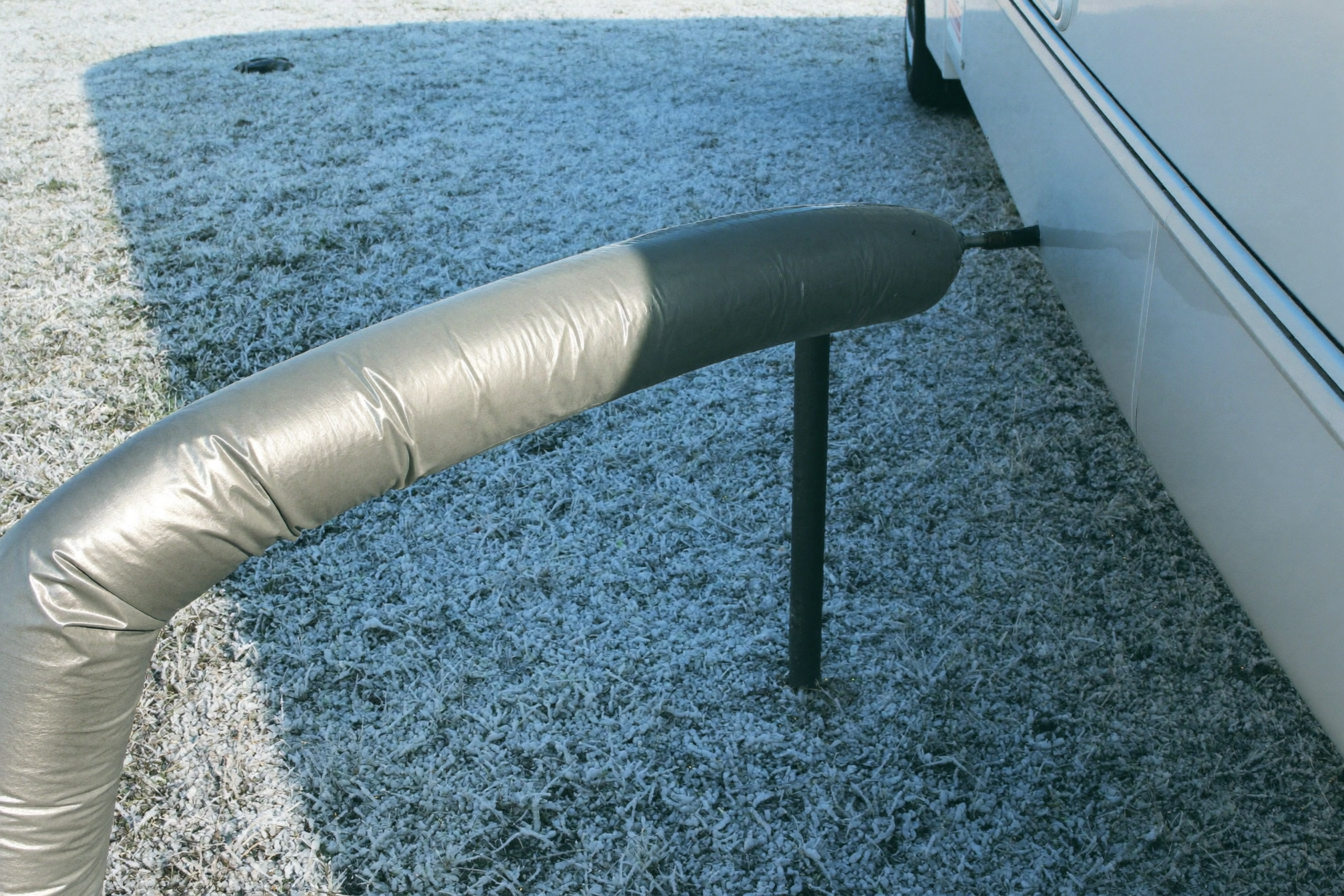
Casper sits at roughly 5,100 feet, and while overnight lows start sliding into the 40s and 30s through October, the timing of the first hard freeze shifts year to year. Some seasons it hits in late September; other years — like a warmer, drier fall — it holds off well into October. Watching the forecast matters, but you shouldn’t wait for the first frost to decide. The choice between staying and storing is easier when you decide early and set your basecamp on your own timeline, not during a cold snap.
For planning trips, seasonal events, and a feel for what a Casper winter looks like, Visit Casper and Travel Wyoming are both worth a look before you commit either way.
Option A: Stay in the Rig Through the Winter

Plenty of people live comfortably in an RV through a Wyoming winter — but only when the rig and the site are genuinely set up for it. Staying works well if:
- Your work keeps you in the Casper area through the cold months (energy-sector crews, trades, traveling healthcare, remote workers).
- Your RV is four-season capable, or you’re willing to add skirting, a heated water hose, and tank heat.
- You’re at a full-hookup park that keeps hookups freeze-protected, and roads plowed and maintained.
- You value staying in your own space over the cost and hassle of relocating.
The make-or-break factor is the site, not just the rig. A winter-ready full-hookup park handles what sinks DIY winter camping: a reliable, freeze-protected water connection, dependable shore power for heat, plowed access so you’re not snowed in, laundry so you’re not hauling clothes across town, and steady WiFi so remote work doesn’t stall. If your park handles those, staying is very doable. If it doesn’t, you’ll fight the cold every single day.
If you’re leaning toward staying, the equipment side — skirting, heated hose, tank heaters, and condensation control — deserves its own attention. We’ve broken that down in a dedicated cold-weather setup guide on the Rone’s RV Park blog, and it’s worth reading before the temperature drops.
Option B: Winterize and Store
Storing the rig makes more sense when the math or the logistics tip the other way. Winterizing and putting the RV away is often the smarter move if:
- Your work or life is taking you out of the area for the winter anyway.
- Your RV isn’t built for sustained sub-freezing living, and you’d rather not retrofit it.
- You want to protect the rig’s plumbing and systems from freeze damage while it sits.
- You have a secure, weather-protected place to keep it until spring.
Winterizing properly means draining and protecting the water system, adding RV antifreeze to the lines, protecting tanks, and sealing the rig against pests and moisture. Done right, it prevents expensive freeze damage that can ruin plumbing over a hard Wyoming winter. The catch is where the rig lives while it’s parked — leaving a winterized RV in an unsecured lot exposes it to weather, wind, and theft. A secure storage spot keeps the rig and any gear you’re not using protected until you’re ready to roll again in spring.
How to Actually Make the Call
Run your decision through four questions, in order:
- Where will you be? If work or family keeps you in Casper through the winter, staying is on the table. If you’re leaving, storing usually wins.
- Is your rig ready? Four-season rigs and hunters or workers willing to skirt and add tank heat can stay comfortably. Older or three-season rigs are better suited to winter.
- Is your site ready? Freeze-protected hookups, plowed roads, laundry, and WiFi make staying viable. Without them, even a good rig struggles.
- What’s the real cost of each? Compare a winter monthly site against storage plus wherever else you’d live. Factor in propane, cold-weather gear, and the hassle of relocating twice.
For a lot of Casper-area RVers, the answer isn’t all-or-nothing. Some stay in the rig but move overflow gear, summer toys, and seasonal equipment into storage to free up space and reduce what they heat and protect. Wind and blowing snow are constant Wyoming realities, so check current conditions at Wyoming 511 whenever you’re moving the rig or relocating gear this time of year.
Why Your Basecamp Decides the Outcome
Whichever way you lean, the park you choose determines how well it goes. A full-hookup site that’s genuinely built for winter turns “staying” from a daily battle into a comfortable season. Secure on-site storage turns “winterizing” from a gamble into a clean, protected pause. And being minutes from town means supplies, propane, and services are always close.
If you’re weighing a winter in Casper, we can talk through both paths honestly — whether that’s an extended-stay full-hookup site or a secure place to store the rig until spring. See more area guides on our blog, or reach out directly to figure out what fits your winter.
Frequently Asked Questions
Can you really live in an RV through a Wyoming winter?
Yes, many people do — but only with the right setup. You need a four-season-capable rig or added skirting, a heated water hose, and tank heat, plus a full-hookup park that keeps hookups freeze-protected and roads plowed. With those in place, winter RV living in Casper is comfortable. Without them, it’s a constant fight against the cold.
When should I decide whether to stay or winterize?
Make the call in early fall, before the first hard freeze, so you can set your own timeline rather than reacting during a cold snap. Casper’s first freeze timing varies year to year, so decide based on your work, your rig, and your site readiness rather than waiting for the thermometer to force your hand.
What does winterizing an RV involve?
Draining and protecting the water system, adding RV antifreeze to the plumbing lines, protecting the holding tanks, and sealing the rig against pests and moisture. Done properly, it prevents the freeze damage that can destroy plumbing over a hard winter. Where you store the rig afterward matters just as much — a secure, weather-protected spot protects your investment until spring.
Is it cheaper to store the RV or stay in it over winter?
It depends on your situation. Compare the cost of a winter monthly site against storage plus wherever else you’d live, and factor in propane, cold-weather gear, and the hassle of relocating twice. If you’re staying in Casper for work anyway and your site is winter-ready, staying is often both cheaper and simpler.
Deciding your winter in Casper? Rone’s RV Park offers winter-ready full-hookup sites and secure on-site storage, so you can stay comfortably or store safely. Contact us to talk through extended-stay and storage options before the first freeze.