
Do You Need Extra Sewer Hose Stability at Full Hookup RV Parks?
Yes, in many cases, you do need extra sewer hose stability at full hookup RV parks, especially if you are staying longer than a night or two, dealing with wind, or relying on your RV as a true home base. A sewer connection does not have to be complicated, but it does need to stay secure, sloped, and predictable. If the hose sags, shifts, or drains unevenly, the result is usually odor, residue, and unnecessary frustration.
For full-time RVers and traveling workers, this is one of those small setup details that makes a surprisingly big difference. The goal is not to overbuild your site. The goal is to create a sewer line that holds its shape, drains cleanly, and requires no constant attention once you are settled in.
If you are using Casper as a work base, a relocation stop, or a monthly RV stay, this guide will help you decide when extra support matters, what kind of stability to look for, and how to avoid the common mistakes that make a full hookup site feel harder than it should be.
What Sewer Hose Stability Actually Means
When RVers talk about sewer hose stability, they are usually talking about three things at once:
- The hose stays connected securely at both ends
- The hose maintains a steady downhill slope
- The hose does not shift out of position during daily use
That sounds basic, but it is the difference between a clean setup and an annoying one. A flexible sewer hose on bare ground can easily form low spots. Those low spots trap waste and gray water. Once that happens, the hose drains less effectively and becomes messier every time you dump.
A stable setup removes the guesswork. It also makes life better when you are not in vacation mode but actually living in the RV for weeks at a time.
Why This Matters More for Long-Stay RVers

An overnight traveler can sometimes get away with a quick, temporary setup. A long-stay RVer cannot. If your sewer line is part of your everyday home routine, you want it to work quietly in the background.
That is especially true for:
- Full-time RVers living on-site for weeks or months
- Traveling nurses, contractors, and project-based workers in Casper
- RVers relocating to the area before moving into housing
- Remote workers using their RV as a temporary home office base
The longer you stay, the more wear your setup sees. More showers, more dishwashing, more flushing, and more movement around the campsite all increase the value of proper support. If your sewer hose is stable from the start, you avoid the slow-building problems that make long-term RV life feel less comfortable than it should be.
When Extra Stability Is Worth It
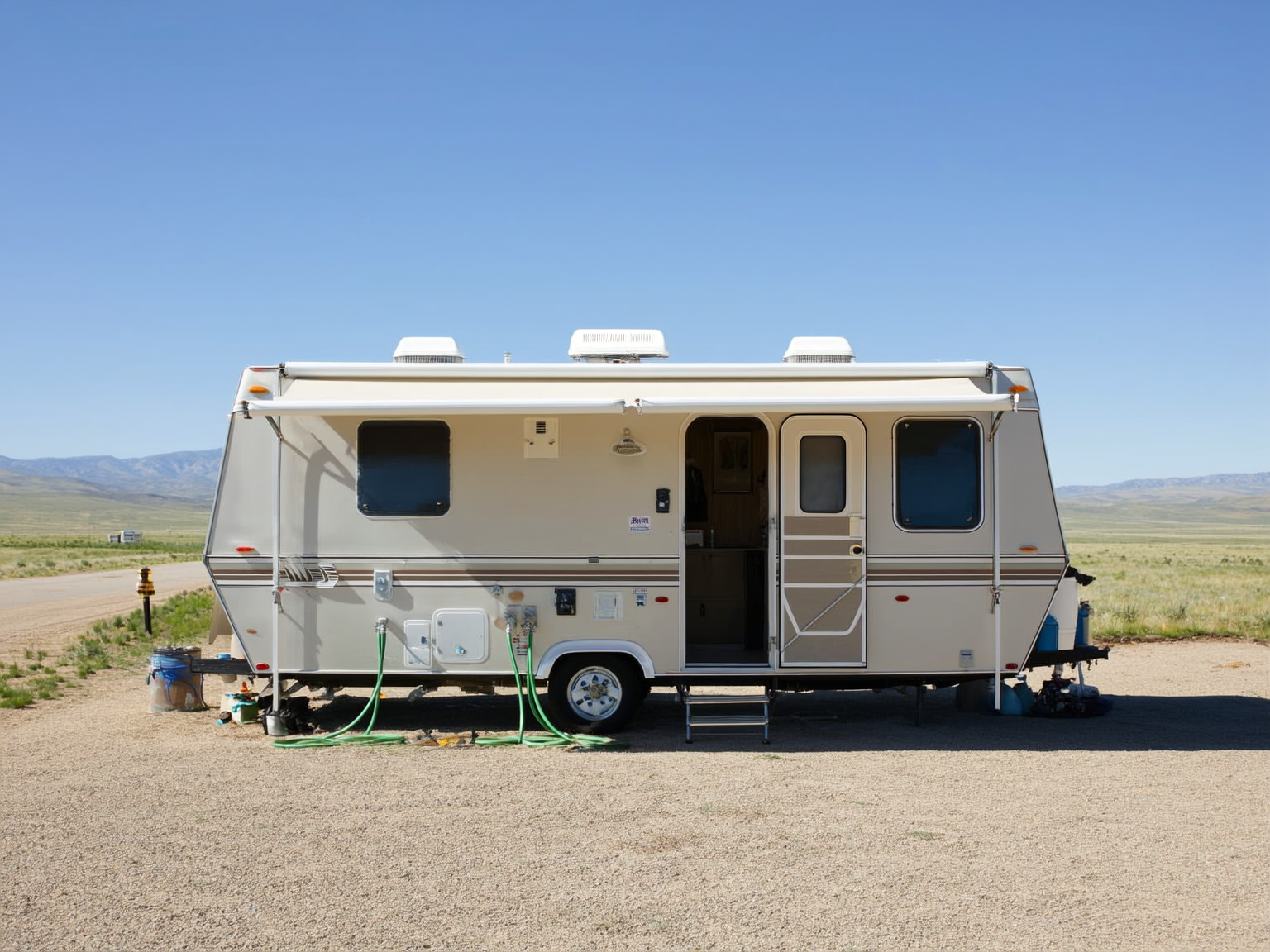
1. You are staying for more than a few days
If you are settling in for a work assignment or a monthly stay, extra support is worth it. Over time, even a decent hose position can shift. A dedicated support system holds the drainage angle more consistently.
2. The site sees wind or regular movement
In Wyoming, wind matters. Gear that looks fine at check-in can end up slightly out of place after a gusty afternoon. Add foot traffic, pets, or routine movement around the site, and the hose can drift enough to create drainage issues.
3. Your sewer inlet sits lower or farther than expected
Some site layouts are straightforward. Others require more reach or a more deliberate slope. Anytime the hose line has distance to cover, support becomes more important.
4. You want a cleaner disconnect later
A well-supported hose tends to drain more fully. That means less residue and less mess when it is time to break camp.
What Happens When the Hose Is Not Stable
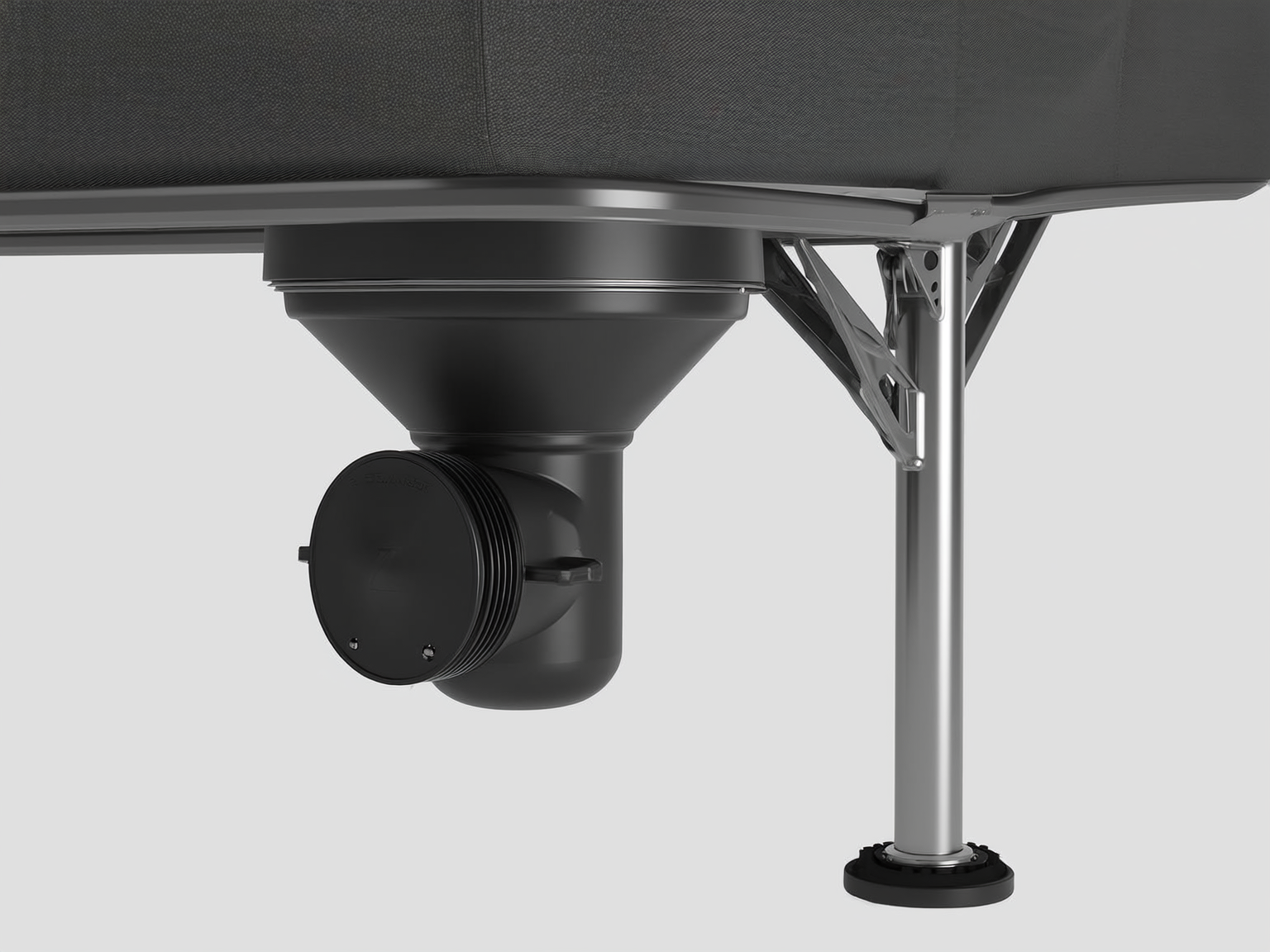
The consequences are usually not dramatic right away, which is why people ignore this issue. But instability tends to create a few recurring problems.
Standing water in low spots
If the hose sags, liquid and waste can collect in the dips instead of flowing through. That leads to smell, residue, and heavier cleanup later.
Poor gray-water rinse performance
Many RVers use gray water to help rinse the hose after dumping the black tank. That works much better when the line drains evenly instead of holding water in low points.
More stress on the fittings
A shifting hose can tug at the outlet fitting or the site connection. Over time, that movement increases the chance of leaks or loose seals.
A site that feels less sanitary
Even without a visible leak, a poorly managed sewer setup tends to feel messier. That matters when the site is your home, not just a place you slept once.
Casper and Wyoming Conditions Change the Equation
A lot of generic RV advice does not account for Wyoming conditions. In Casper, practical setup habits matter because everyday conditions are less forgiving than in a sheltered resort environment.
Wind is the obvious factor, but it is not the only one. Dry air, dust, and temperature swings can affect equipment over time. A stable site routine makes it easier to notice when something is actually wrong, rather than wondering whether your hose line has just shifted again.
That is one reason a dependable full hookup park matters so much. If you want a cleaner, less stressful long-stay setup, stay at Rone’s RV Park in Casper, where you can get established and keep your utility routine simple.
What Kind of Support Works Best?
The best support is the one that gives you a continuous downward slope and stays in place. You do not need an extreme solution. You just need one that is more deliberate than laying the hose loosely on the ground.
Look for support systems that:
- Are adjustable for the length you need
- Hold the hose in a clear channel or cradle
- Stay low and stable instead of tipping easily
- Help maintain the slope from the RV outlet to the sewer inlet
- Are easy to rinse and store
Some RVers improvise with boards or blocks, but purpose-built sewer supports are usually cleaner and easier for long stays. A stable support setup also makes the site look more intentional and less temporary.
Do You Need Weights or Anchoring Too?
Sometimes, yes. If your area is windy or your hose support is very lightweight, small weights or a more secure base can help keep everything aligned. The goal is not to crush the hose or create pressure points. It is simply to reduce movement.
If you use anything extra for stability, check that it:
- Does not kink the hose
- Does not block drainage flow
- Does not create stress on the fittings
- Can be removed easily for cleaning and disconnecting
This is where common sense matters more than gadget obsession. A stable line beats a fancy line.
Best Practices for a Clean Full Hookup Setup
I like to keep this part simple. Most sewer issues come from skipping basics, not from lacking advanced gear.
Start with leveling
A better-leveled RV gives your entire utility setup a better starting point.
Map the drainage path first
Before connecting, look at the route from the outlet to the sewer inlet. You should already know where the support will sit and how the hose will slope.
Secure the fittings before using the tanks normally
Do not assume a quick twist is enough. Make sure connections are seated properly.
Check after your first dump cycle
The first real black-and-gray tank dump tells you whether your support is working. If water is pooling in the hose, adjust it early.
Recheck after wind or site movement
A two-minute utility scan can save you a messy surprise later.
Sewer Stability and Full-Time RV Living
For full-time RVers, sewer stability is not just a sanitation issue. It is a quality-of-life issue. When daily systems work smoothly, everything else feels easier. You can focus on work, routines, and settling into the area instead of troubleshooting utilities.
This matters particularly for people moving to Casper. Many RVers arrive as a transitional step while working locally, exploring housing options, or deciding whether to stay longer. In that season, simple infrastructure matters. A clean, dependable setup gives you one less problem to solve.
If you need a base that supports practical day-to-day living, contact us to reserve your spot. Full hookups are only helpful when they actually support real life, and stability is part of that.
How This Connects to Responsible Camping
Even in a private RV park, responsible waste handling matters. It protects your own site, keeps neighboring sites cleaner, and supports the overall park environment.
Resources from the National Park Service, Bureau of Land Management, and Wyoming Tourism all point back to the same idea in different ways: clean systems, thoughtful setup, and respect for shared spaces make camping better.
A stable sewer line is not glamorous, but it is part of that standard.
FAQ: Sewer Hose Stability at Full Hookup RV Parks
Do all full hookup RV parks require sewer hose support?
Not always as a written rule, but support is still a smart idea because it improves drainage and reduces mess.
Is sewer hose support only important for long stays?
It matters on short stays too, but long stays make the benefits much more obvious because the system gets used more often.
Can I just lay the sewer hose on the ground?
You can, but it usually drains less effectively and is more likely to develop low spots, residue, and odor.
Does Wyoming wind make sewer setup harder?
It can. Wind is another reason to use a stable support system and to check your utility setup regularly.
Final Take
If you are asking whether extra sewer hose stability is worth it, the answer for most long-stay RVers is yes. It is a small upgrade that protects cleanliness, improves drainage, and makes full hookup living feel much easier.
Heading through central Wyoming for work or an extended stay? Rone’s RV Park in Casper offers full hookups, practical site layouts, and a dependable home base for RVers who need more than a one-night stop.