
After months of winter storage or limited use, your RV’s water system needs proper sanitization before your first Wyoming adventure of the season. The combination of high altitude, mineral-rich water sources, and fluctuating temperatures across Wyoming creates unique challenges that generic sanitizing guides don’t address.
Having managed water systems for hundreds of RVers preparing for trips to Wyoming, we’ve learned that a thorough spring sanitization process prevents both immediate health risks and long-term system damage that can ruin your camping season. This comprehensive approach ensures your water tastes great and flows reliably from Yellowstone to the Colorado border.
Why Wyoming RVers Need Special Water System Attention
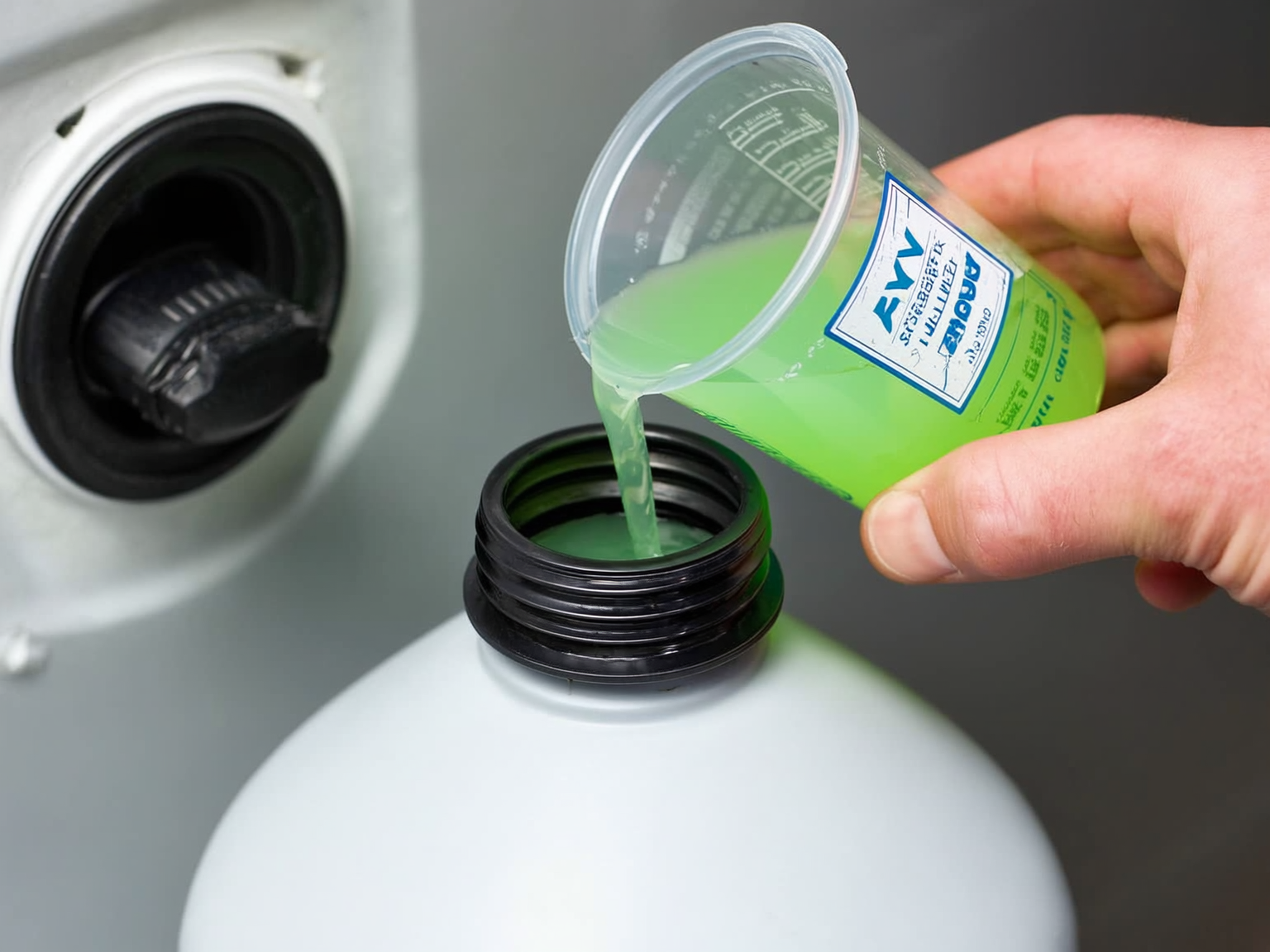
Wyoming’s high altitude and mineral-rich groundwater create conditions that affect RV water systems differently than those at coastal or low-elevation campsites. At elevations ranging from 3,000 feet in the eastern plains to over 7,000 feet in mountainous areas, the boiling point of water drops significantly, affecting sanitization effectiveness.
The state’s naturally hard water, rich in calcium and magnesium from limestone formations, can accelerate mineral buildup in tanks, lines, and fixtures during storage periods. This buildup doesn’t just affect taste – it can harbor bacteria and create circulation problems that standard sanitizing procedures may not eliminate.
Wyoming’s extreme temperature swings, especially during spring months, can cause expansion and contraction of water system components, creating micro-cracks where bacteria can establish colonies. These hidden contamination sources require more aggressive sanitization than many RVers realize.
Spring runoff from mountain snowpack can also introduce sediment and organic compounds into municipal water systems, making it essential to use proper filtration and sanitization when refilling your freshwater tank at Wyoming campgrounds.
Health Risks of Contaminated RV Water Systems

Stagnant water in RV systems can develop serious bacterial contamination within weeks, including potentially dangerous organisms like E. coli, Legionella, and coliform bacteria. These pathogens cause symptoms ranging from mild gastrointestinal upset to severe illness requiring medical attention.
Biofilm formation in water lines creates protective environments where harmful bacteria multiply rapidly once introduced. This invisible coating resists casual rinsing and requires specific sanitization chemicals to break down effectively.
Neglected water systems often develop taste and odor problems from sulfur bacteria, which, while not typically dangerous, can make water unpalatable and indicate underlying contamination issues. The “rotten egg” smell common in untreated systems signals bacterial activity that requires immediate attention.
Children, elderly travelers, and anyone with compromised immune systems face heightened risks from contaminated RV water supplies. For these vulnerable populations, proper sanitization isn’t optional – it’s a critical health protection measure.
Spring Sanitization: Step-by-Step Wyoming Protocol
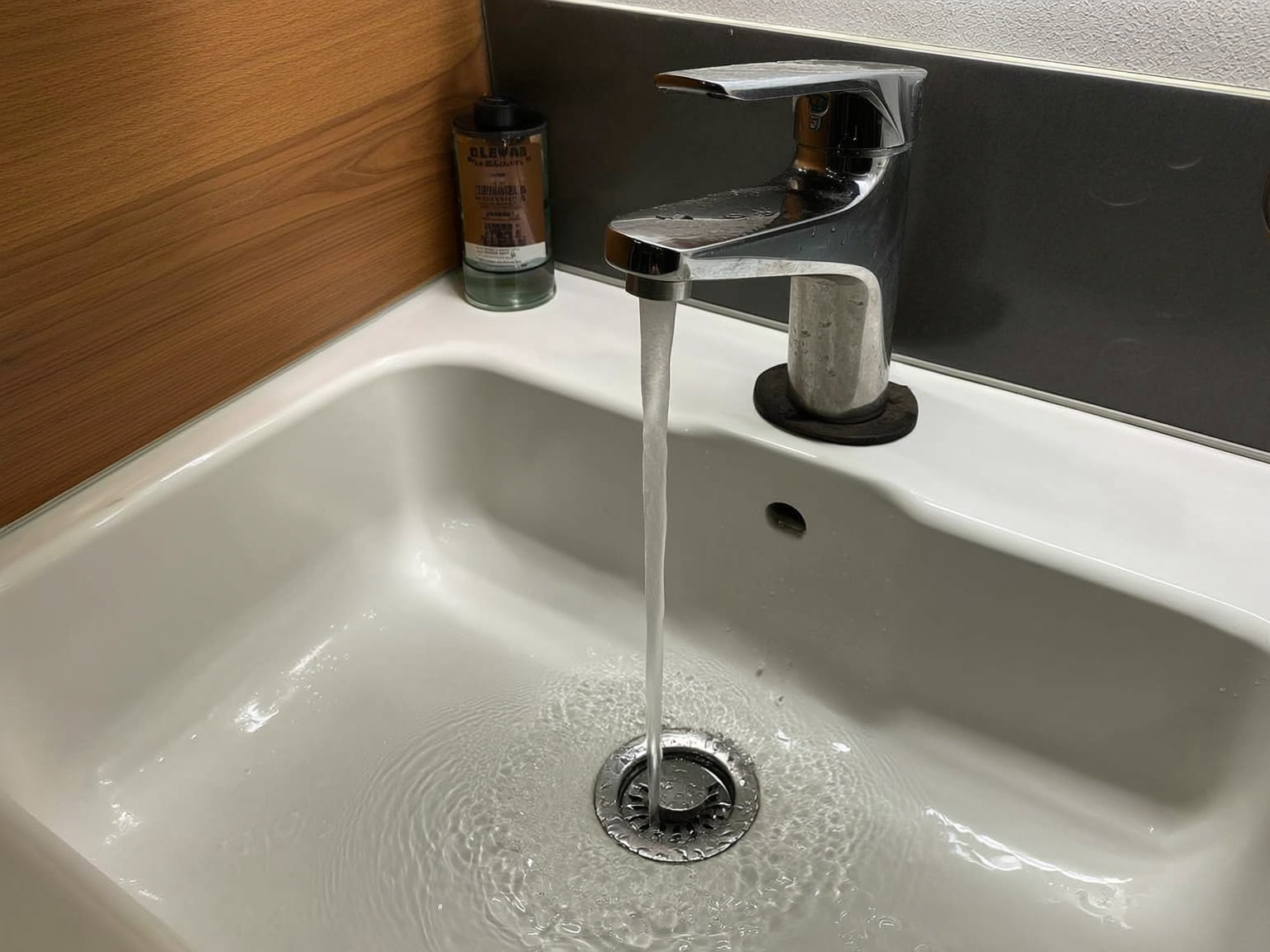
Start with a complete system drain, including the hot water heater, the fresh water tank, and all supply lines. Open every faucet, including exterior shower and toilet supply, until water stops flowing from each fixture.
Remove and replace your water filter cartridges before beginning sanitization. Old filters can reintroduce contaminants into your newly cleaned system and may restrict proper chemical circulation during sanitization.
Calculate your tank capacity accurately – Wyoming RV systems range from 20-gallon travel trailers to 150-gallon Class A motorhomes. You’ll need 1/4 cup of unscented liquid chlorine bleach per 15 gallons of tank capacity to achieve proper sanitization.
Mix the calculated amount of bleach with 1 gallon of potable water in a clean container before adding it to your freshwater tank. This pre-mixing ensures even distribution and prevents concentrated bleach from damaging tank materials or seals.
Fill your tank completely with fresh water, adding the bleach solution as you fill to promote mixing. Turn on your water pump and open each faucet systematically until you smell chlorine at every outlet, including hot water taps after your water heater has cycled.
Let the chlorinated water sit in your system for at least 4 hours, or preferably overnight. Wyoming’s altitude reduces chlorine effectiveness, so longer contact time compensates for reduced sanitization efficiency at elevation.
Hot Water System Special Considerations
Your RV’s hot water heater requires special attention during sanitization, especially if it’s been unused through the winter months. Drain the tank completely through the drain plug, then inspect the anode rod for corrosion, which could indicate system contamination.
If your anode rod shows excessive corrosion or your hot water has metallic tastes, replacement may be necessary before sanitization. This is particularly important in Wyoming, where hard water accelerates anode deterioration.
Fill the hot water system slowly to prevent airlocks that can interfere with proper circulation. Run hot water from each faucet until you reach the same chlorine smell as in your cold water supply.
Some RVers bypass their hot water heater during initial sanitization to avoid potential damage to electric heating elements. While this approach works for basic sanitization, I recommend including hot-water systems in the full treatment to ensure complete protection.
Flushing and Final Rinse Protocol
After sanitization contact time, drain your entire system again, starting with the lowest faucets and working upward. This gravity-assisted drainage removes more contaminated water than pump-only evacuation.
Refill with fresh water and flush each faucet until the chlorine smell completely disappears. This typically requires 2-3 complete tank refills for thorough chlorine removal, particularly in systems with long water line runs.
Don’t forget about your toilet supply line and any ice makers or washing machines connected to your water system. These components often have dead-end lines where chlorinated water can linger and affect taste if not properly flushed.
Test your final water supply with chlorine test strips to ensure complete chemical removal. Even trace levels of chlorine can affect taste and indicate incomplete flushing, which may leave residual contamination.
Filter Replacement and System Testing
Install new water filter cartridges only after the system has been completely flushed. Installing filters before chlorine removal can permanently damage filter media and reduce filtration effectiveness throughout your camping season.
Consider upgrading to charcoal-based filters specifically rated for chlorine removal if you frequently encounter heavily treated municipal water at Wyoming campgrounds. These filters improve taste and remove lingering chemical odors that standard sediment filters miss.
Test your system pressure after sanitization to ensure all connections remain tight after thermal cycling during the process. Check for leaks at pump connections, filter housings, and fixture supply lines where expansion and contraction can loosen fittings.
Run a complete system test, including hot-water delivery, pump cycling, and accumulator-tank function, before your first trip. This verification prevents the discovery of problems at remote Wyoming destinations where repair services may be unavailable.
Wyoming-Specific Water Quality Considerations
Many Wyoming municipal water systems treat water with higher chlorine levels than those in coastal areas to compensate for longer distribution distances and storage requirements. This treatment can accelerate the deterioration of plastic and rubber components in RV systems.
Well water at private campgrounds often contains high mineral levels that can quickly clog filters and leave deposits in your system. Ask campground owners about water hardness and consider portable water softening if staying for extended periods.
Some Wyoming locations, particularly around natural gas and oil drilling sites, may have water contaminated with hydrogen sulfide that creates persistent odor problems even after proper sanitization. Carry emergency bottled water supplies when camping in these regions.
Mountain areas may have naturally soft water from snowmelt that lacks sufficient mineral content for good taste. Consider adding mineral supplements or carrying drinking water from lower elevation sources for better flavor.
The Wyoming Department of Environmental Quality maintains water quality reports for public systems that can help you prepare for specific contamination risks in different regions of the state.
Maintenance Between Sanitizations
During the active camping season, add a few drops of unscented bleach to each fresh-water fill to maintain system cleanliness between major sanitizations. This preventive approach stops bacterial growth before it establishes in your lines.
Monitor your water taste and clarity daily during extended trips. Changes in taste or appearance indicate contamination that requires immediate attention before it spreads throughout your system.
Keep your fresh water tank as full as possible during storage periods to minimize air space where bacteria can multiply. However, never store with bleach solutions as this can damage tank materials and seals over time.
Replace your water pump’s internal filters according to the manufacturer’s specifications, typically every camping season or every 500 hours of operation. These hidden filters can harbor contamination that reinfects your entire system.
Professional vs. DIY Sanitization
While most RVers can handle basic sanitization, complex systems with multiple tanks, pumps, and filtration stages may require professional service to ensure complete treatment. This is particularly true for luxury coaches with sophisticated water management systems.
RV service centers experienced with Wyoming camping conditions understand regional water quality challenges and can recommend system modifications to prevent recurring problems specific to high-altitude, hard-water environments.
Professional sanitization typically includes pressure testing, system leak detection, and component inspection that DIY procedures may miss. These additional services can prevent expensive repairs during camping season.
However, emergency sanitization knowledge remains essential for RVers planning extended travel in Wyoming’s backcountry, where professional services are unavailable. Carrying proper sanitization chemicals and knowing basic procedures can save your trip when contamination occurs far from help.
Emergency Sanitization Procedures
If you suspect water contamination during your trip, taking immediate action can prevent serious illness and system damage. Stop using the water system immediately and switch to bottled water for drinking, cooking, and personal hygiene.
Emergency sanitization uses a stronger bleach concentration – 1/4 cup per 10 gallons of tank capacity – with a shorter contact time of 2-4 hours. This aggressive treatment kills active bacteria but requires thorough flushing to prevent chemical damage to system components.
Portable UV sterilizers or water purification tablets provide backup disinfection for drinking water when full system sanitization isn’t practical. These emergency measures don’t replace proper sanitization, but can provide safe water until you reach facilities for complete treatment.
Contact local Wyoming RV service centers for emergency sanitization assistance if contamination occurs during your travels. Many shops provide priority service for health-related water system problems.
Cost-Effective Prevention Strategies
Preventing contamination costs far less than treating established problems. Simple habits like keeping your fresh water tank cap tightly sealed and using only potable water sources prevent most contamination issues.
Quality water hoses designed for drinking water prevent bacterial introduction during tank filling. Replace standard utility hoses with FDA-approved drinking water hoses that resist bacterial growth and don’t leach plasticizers into your water.
Portable water testing kits let you verify water quality before adding it to your system. These inexpensive test strips detect bacteria, chlorine levels, and pH imbalances that indicate potential problems.
Regular system exercise prevents stagnation during storage periods. Run your water pump and cycle all fixtures monthly, even when not actively camping, to prevent bacterial establishment in unused lines.
Professional Wyoming RV Basecamp Advantages
Staying at established RV parks with reliable municipal water connections eliminates many contamination risks associated with questionable water sources at primitive camping areas.
Professional parks maintain water systems to health department standards and provide consistent water quality that won’t introduce contaminants into your freshly sanitized system. This reliability becomes especially valuable during extended travel in Wyoming.
Full hookup sites also provide unlimited water access for thorough system flushing and sanitization when needed, without the constraints of limited tank capacity that complicate backcountry maintenance procedures.
Our Casper location offers municipal water connections tested and treated to EPA standards, giving you confidence in water quality whether you’re filling your tank or connecting directly to park water supplies.
Frequently Asked Questions
Q: How often should I sanitize my RV water system in Wyoming?
A: Sanitize at the beginning of each camping season, after any period of non-use exceeding 30 days, and immediately if you detect any taste, odor, or appearance changes in your water supply.
Q: Can I use pool bleach for water system sanitization?
A: Never use pool bleach, which contains additives harmful to drinking water systems. Only use unscented liquid household bleach (5.25% sodium hypochlorite) or products specifically designed for water system sanitization.
Q: Why does my water still smell like chlorine after flushing?
A: Incomplete flushing often leaves chlorinated water in dead-end lines or accumulator tanks. Continue flushing until test strips show zero chlorine residual at all faucets.
Q: Should I sanitize before or after installing new water filters?
A: Always sanitize first, then install new filters. Installing filters before sanitization can damage filter media and reduce filtration effectiveness throughout your camping season.
Proper water system sanitization is essential for safe, enjoyable RV camping throughout Wyoming’s diverse environments. This spring startup procedure ensures your water tastes great and flows reliably from Yellowstone adventures to Colorado border explorations, giving you one less worry as you discover all Wyoming has to offer.