
RV Sewer Hookup Mistakes Long-Stay Campers Should Avoid in Casper
If you are staying in Casper for more than a quick overnight, sewer setup matters more than most RVers expect. The most common RV sewer hookup mistakes are leaving valves open at the wrong time, skipping hose support, rushing connections, ignoring seals, and treating a full hookup site as if it can handle a sloppy setup forever. For full-time RVers, traveling workers, and anyone settling in for a monthly stay, those little mistakes turn into odor, clogs, leaks, and miserable cleanup fast.
I look at sewer setup as one of the simplest ways to make long-term RV living easier. A clean, stable hookup routine protects your rig, keeps your site cleaner, and reduces daily stress. In a place like Casper, where wind, weather swings, and extended stays are common, it is worth getting this right from day one.
This guide covers the most common sewer hookup mistakes we see, how to avoid them, and how to set yourself up for a cleaner stay at Rone’s RV Park.
Why Sewer Setup Matters More on a Long Stay
A short overnight stop can hide a sloppy sewer setup. A two-week, monthly, or work-related stay does not. When you use your rig as a real home base, every system is used more consistently. That includes showers, dishes, laundry (if you have it), and the daily bathroom routine that fills tanks faster than weekend travelers expect.
Long-stay campers need reliability. You do not want to be adjusting hoses every day, dealing with smells around your site, or discovering a slow leak after a windy afternoon. Sewer problems are rarely dramatic at first. Usually they begin as something small, like a poor hose slope or a fitting that seemed tight enough. Then, a few days later, the issue becomes obvious.
That is why a stable full hookup park is so valuable. When your site is level, accessible, and easy to manage, it is much easier to build a routine that works. If you are relocating or staying for work, stay at Rone’s RV Park in Casper, so your setup starts from a cleaner baseline.
Mistake 1: Leaving the Black Tank Valve Open All the Time
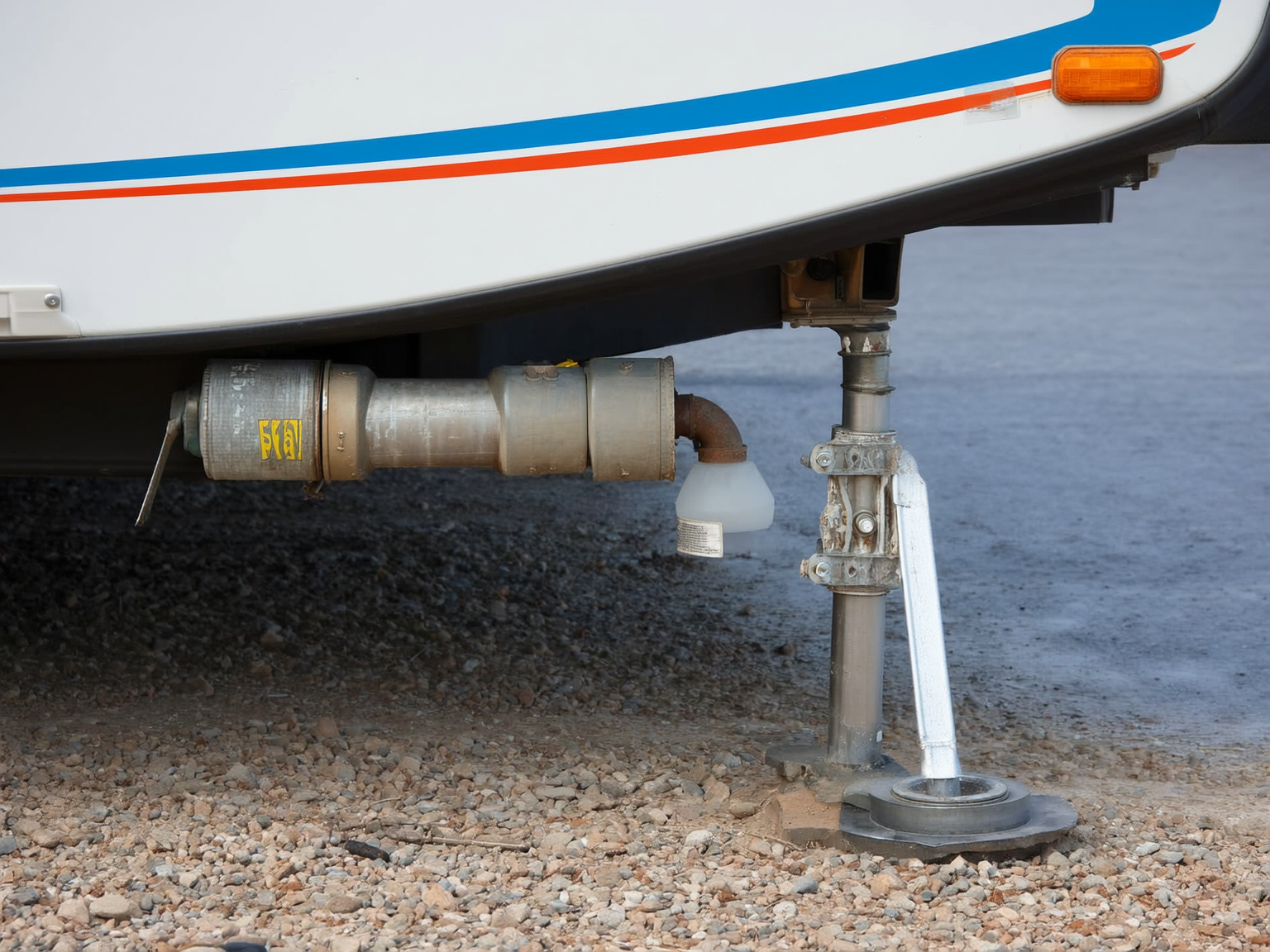
This is probably the biggest long-stay sewer mistake. A lot of newer RVers assume that if they have full hookups, they should leave every valve open continuously. That works poorly for black tanks.
When the black valve stays open, liquids drain out first, while solids can pile up and harden in the tank. That creates the classic clog or “pyramid plug” problem that nobody wants to deal with. The better approach is to keep the black valve closed until the tank has enough volume to flush out properly.
A good rule is simple:
- Keep the black tank closed during regular use
- Dump when the tank is at least around two-thirds full
- Use enough water with each flush to help waste move correctly
- Flush thoroughly before closing the system back up
The RV Industry Association offers general ownership guidance, but this is one of those practical habits that matters most in real-world use. Long-term comfort depends on disciplined tank management, not just having hookups available.
Mistake 2: Letting the Gray Tank Run Without a Plan
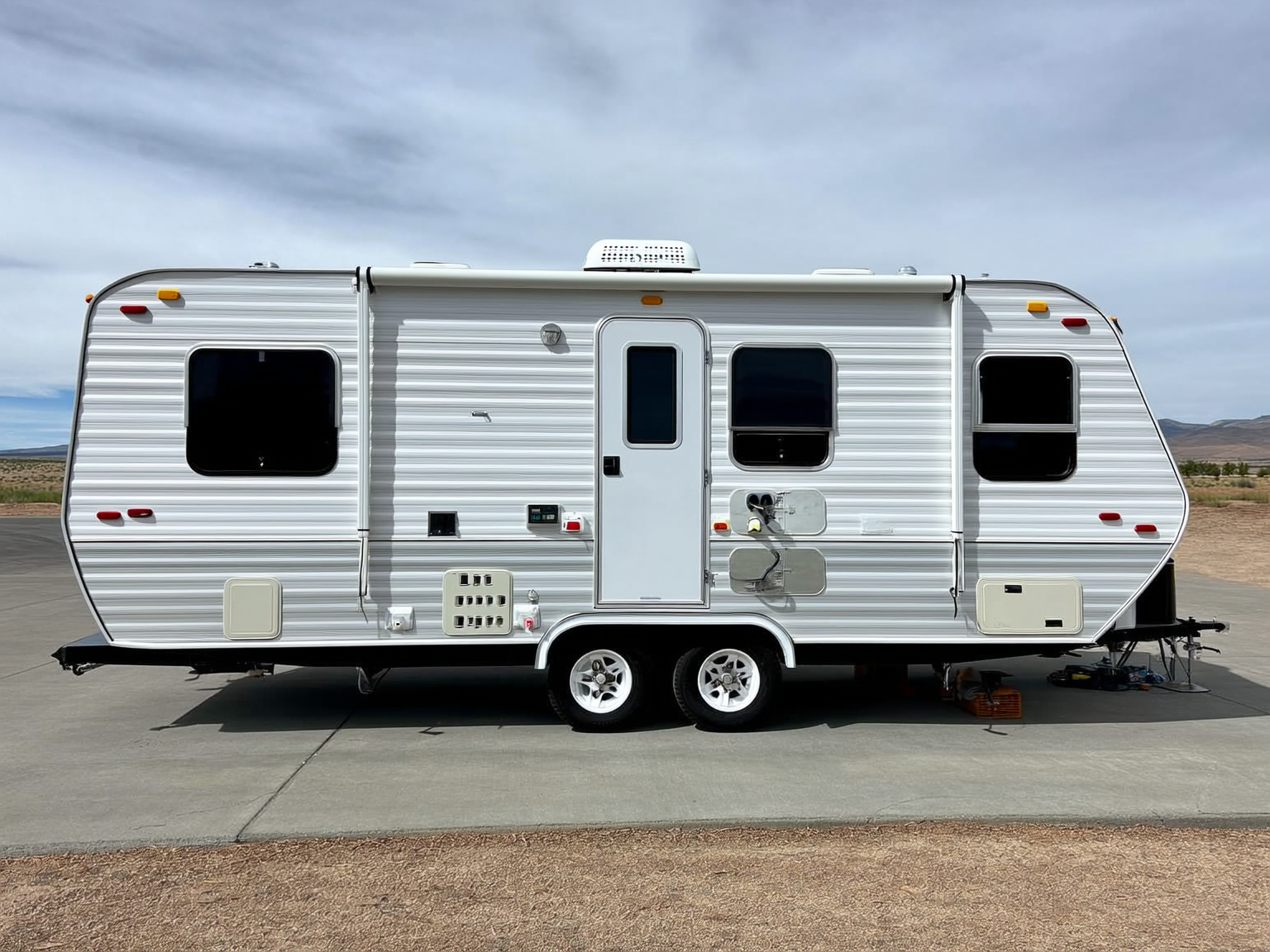
Gray tanks are a little more flexible, but they still should not be an afterthought. Some campers leave the gray valve open all the time, which can be fine in some setups, but it still helps to manage it intentionally.
Why? Gray water carries grease, soap residue, food particles, and odor. If the hose line is poorly sloped or partly blocked, that water can stagnate. And if you are using the gray tank to flush the sewer hose after dumping black, you need some reserve in the tank.
A practical long-stay approach is to:
- Keep the gray valve closed part of the time so you can build flushing volume
- Dump black first, then gray to rinse the hose line
- Watch the kitchen sink use closely, since food and grease create buildup faster than shower water
For RVers planning a longer stay in Wyoming, this kind of routine makes daily life cleaner and far less frustrating.
Mistake 3: Skipping Sewer Hose Support
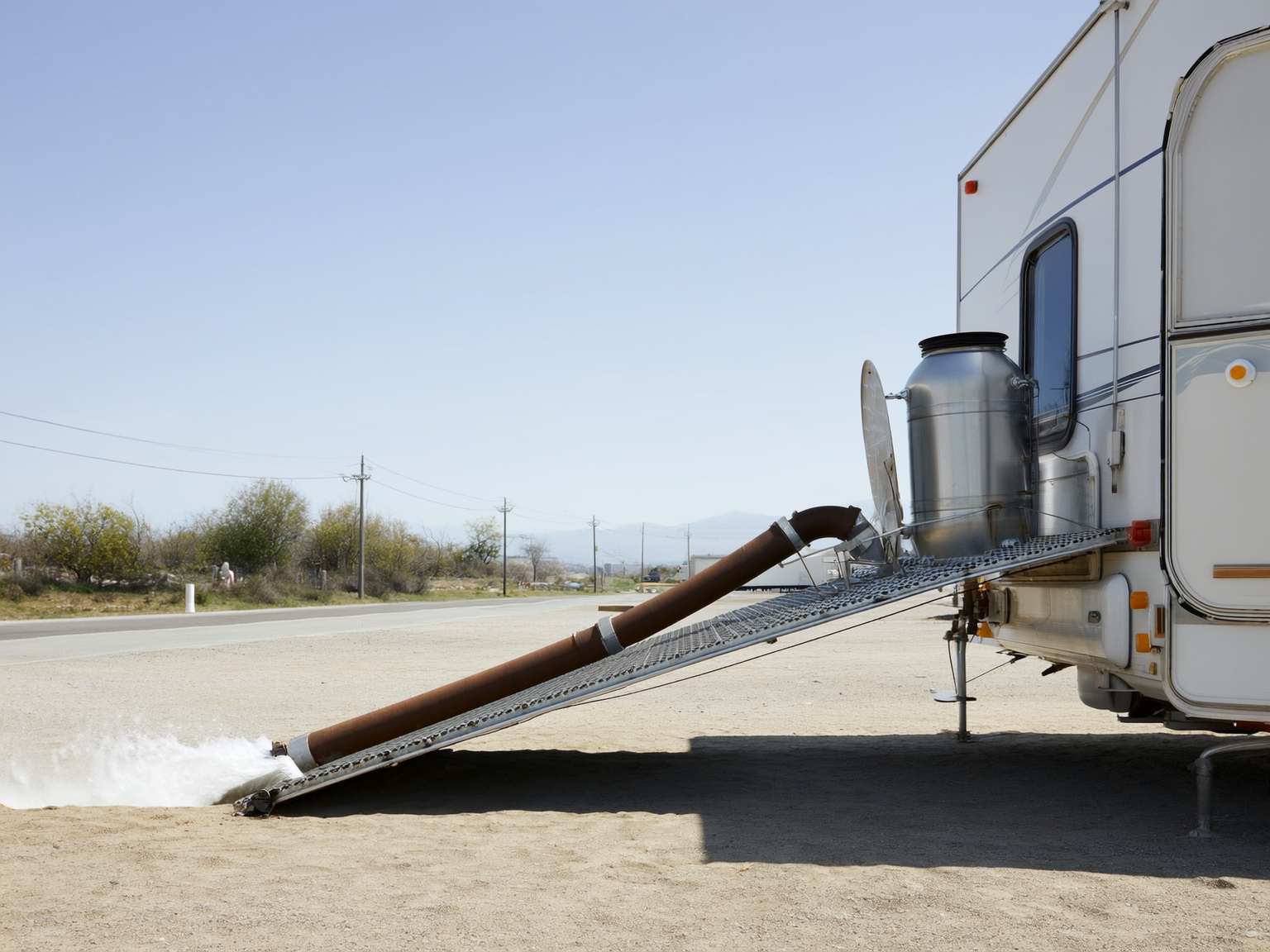
A sagging sewer hose is asking for trouble. The hose needs a steady downward slope from your RV outlet to the site connection. Without that slope, waste and gray water can pool in low points, increasing odor, residue, and the likelihood of a messy cleanup when you disconnect.
This matters even more in Casper because wind and foot traffic can shift a loose setup over time. If your hose support is flimsy or you are trying to improvise with blocks and rocks, it may not hold its shape well through an extended stay.
The National Park Service emphasizes sanitation and responsible waste management across public lands, and the same spirit applies to private parks, too. Clean, contained waste management is part of being a good neighbor.
A proper support system helps you:
- Maintain the drainage angle
- Reduce standing waste in the hose
- Keep the site looking cleaner
- Make tank dumps easier and more predictable
Mistake 4: Trusting a Loose or Worn Seal
Sewer hookups are not the place to “see if it holds.” If a fitting feels questionable, replace it before it becomes a problem. That includes worn rubber gaskets, cracked elbows, and connectors that no longer twist tight.
Small drips are easy to miss, especially if you arrive tired or set up near dusk. Then the smell shows up later, or you notice residue around the connection after a few days. A long-stay site deserves a tighter standard.
Before you settle in, check:
- The bayonet connection at the RV outlet
- The elbow or adapter at the sewer inlet
- Hose sections for soft spots or cracks
- Gaskets and seals for dryness or wear
Workers and full-time RVers moving to Casper often do best when they carry a small spare kit with gloves, backup seals, and one extra fitting. It is a cheap insurance policy for a much cleaner stay.
Mistake 5: Ignoring Wind and Site Movement
One thing people underestimate in Wyoming is how much everyday wind affects gear. A sewer setup that looked fine at check-in may shift if the hose is not secured or the supports are lightweight. With repeated use, kids, pets, or just walking around the site, the line can shift enough to cause drainage issues.
That does not mean sewer setups are complicated here. It just means they should be deliberate. Stable support, a secure adapter, and a quick visual check every couple of days go a long way.
If you are staying longer term, pair your sewer setup routine with a quick utility check. Look at your water connection, power cord, and sewer line together. It takes two minutes and prevents the kind of slow-moving issue that interrupts your week.
Mistake 6: Dumping Without Enough Water in the Tank
Black tanks need enough water to move waste effectively. If everything going into the tank is too dry, buildup becomes much more likely. During a longer stay, use enough water when flushing and reset your routine if your previous stop involved boondocking or partial hookups.
Mistake 7: Skipping Routine Cleanup
Long-stay campers often leave the sewer system alone as long as it is technically working. That usually backfires. Rinsing the hose after dumps, cleaning connection points, and replacing worn parts before they fail keep the whole setup easier to live with.
A Better Sewer Setup Routine for Your First Day in Casper
When I think about the cleanest way to arrive at a full hookup park, I keep it simple.
Step 1: Level and stabilize first
Do not rush the utility setup before the rig is parked correctly. A more level trailer or motorhome gives your whole site a better starting point.
Step 2: Confirm your route from outlet to sewer inlet
Before connecting anything, look at the path. You want a clean, direct slope with support underneath.
Step 3: Connect securely and test lightly
Make sure every fitting is seated correctly before the tanks are actively in use.
Step 4: Keep black closed, manage gray intentionally
This single habit prevents a huge percentage of long-stay sewer problems.
Step 5: Recheck after 24 hours
Your first day of normal use will reveal whether the setup is really stable.
If you are new to Casper, contact us to reserve your spot and give yourself a smoother arrival with a full hookup site that supports a cleaner setup from the start.
Why This Matters for Full-Time RVers and Workers Moving to Casper
For a weekend traveler, sewer setup is just one task on a checklist. For a full-time RVer, contractor, or someone relocating to Casper, it is part of home life. The less friction your site creates, the more energy you have for work, errands, and settling into the area.
If that sounds like you, explore activities near our park once you’re settled. Casper works much better as a living base when your campsite setup is already handled well.
FAQ: RV Sewer Hookup Mistakes in Casper
Should I leave my black tank open at a full hookup RV park?
No. In most cases, you should keep the black tank closed and dump it only when it has built up enough volume to flush properly.
Can I leave my gray tank open during a long stay?
Sometimes, but it is still smart to manage it intentionally so you can use gray water to help rinse the hose after dumping the black tank.
Do I really need sewer hose support at a full hookup site?
Yes. Support helps maintain proper drainage, reduces standing waste in the hose, and keeps your site cleaner during a long stay.
What should I check after setting up my sewer line?
Check seals, slope, support stability, and any signs of leaking or standing waste after the first full day of use.
Final Take
The cleanest long-stay RV setup is usually the least dramatic one. No bad smells, no emergency fixes, no guessing whether a connection is holding. Just a simple sewer routine that works day after day.
Planning an extended stay or moving through central Wyoming in your RV? Rone’s RV Park in Casper offers full hookups, spacious sites, and a practical setup that makes long-term RV living easier.