
How to Prevent Water Leaks and Front-Cap Damage Before a Wyoming Stay
To prevent water leaks and front-cap damage before a Wyoming stay, inspect sealant, roof transitions, marker lights, windows, and cabover seams before the trip, then recheck the RV after long highway miles and early storms. Water intrusion usually starts small, but in Wyoming conditions, it can become expensive fast.
This is one of those topics that sounds boring until it becomes urgent. Most RV owners do not think much about front-cap seams or roof edges when the rig is parked in nice weather. Then, a few days of wind, UV exposure, dust, and rain expose every weak point they skipped.
If your RV is your home, even a small leak can disrupt your sleep, your work setup, and your sense of stability.
This guide explains how to prevent water leaks and front-cap damage before they require interior repairs.
Why Front-Cap Damage Gets Missed So Often
The front cap takes a lot of abuse.
It deals with:
- Highway wind pressure
- UV exposure
- Rain impact while driving
- Vibration over long distances
- Seal movement around trim and marker lights
- Old caulking that dries out quietly
On many RVs, especially older Class C and Class A units, the front cap is one of the first places water begins to sneak in. The trouble is that the visible damage often shows up after the actual leak has started.
By the time you notice a stain inside, moisture may already have affected the insulation, wood framing, or wall panels.
That is why preventive inspection matters more than cosmetic cleanup.
Start at the Roofline, Not the Sidewalls
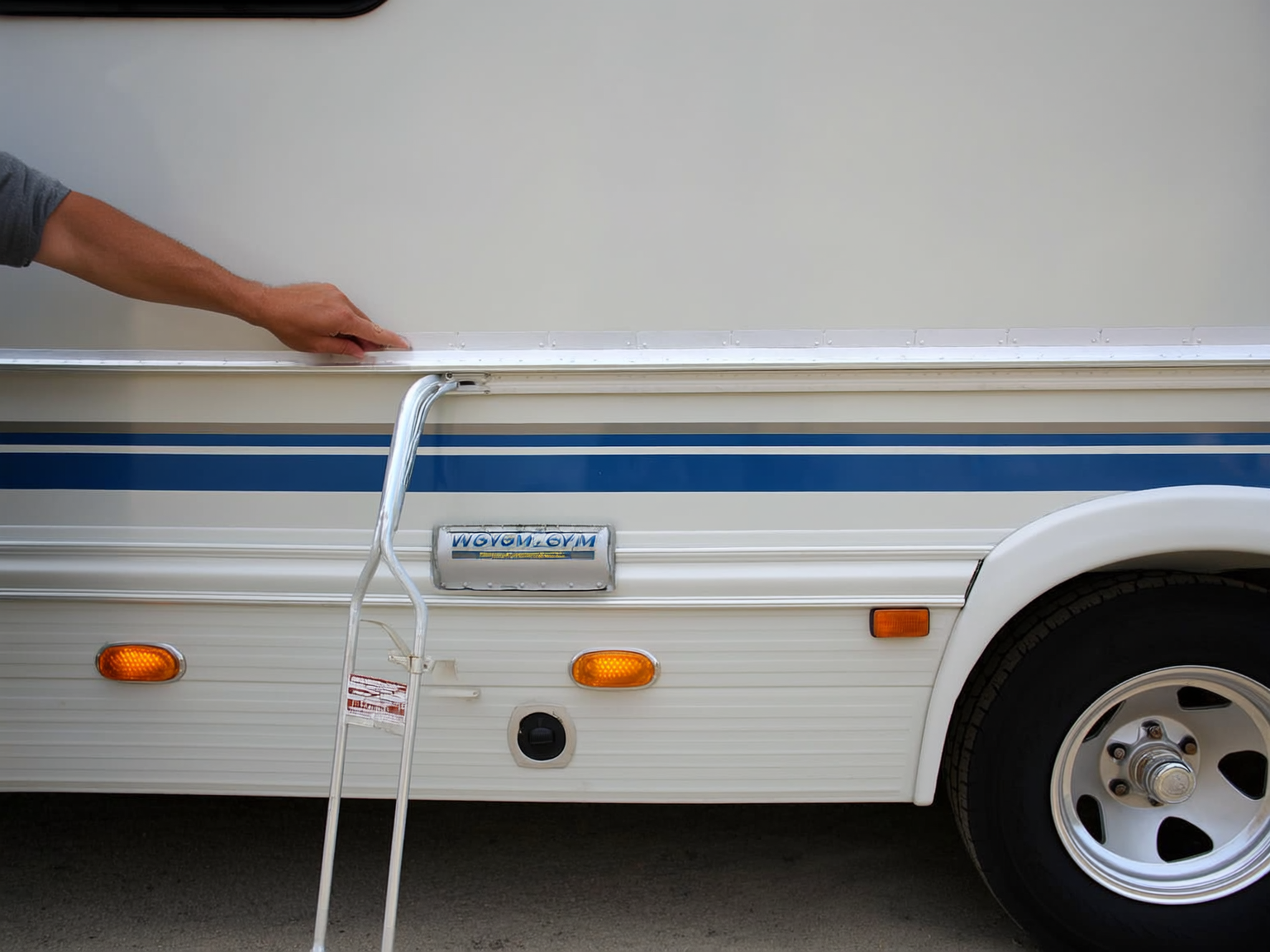
If you are checking for leak risk, start high and work down.
Inspect these areas closely:
- Roof seams and transition points
- Sealant around vents and AC units
- Front cap roof joint
- Antenna and skylight bases
- Edge molding where the roof material meets the trim
Look for cracking, lifting, gaps, or brittle sealant that has clearly aged out. If one area looks questionable, assume nearby sections deserve a closer look too.
A common mistake is only staring at the front wall from eye level. Water usually enters above that point and travels before it becomes visible.
If you are getting ready for a longer Wyoming trip, this is the kind of maintenance to handle before departure, not once you are already parked and hoping for the best.
Inspect Marker Lights, Windows, and Small Penetrations
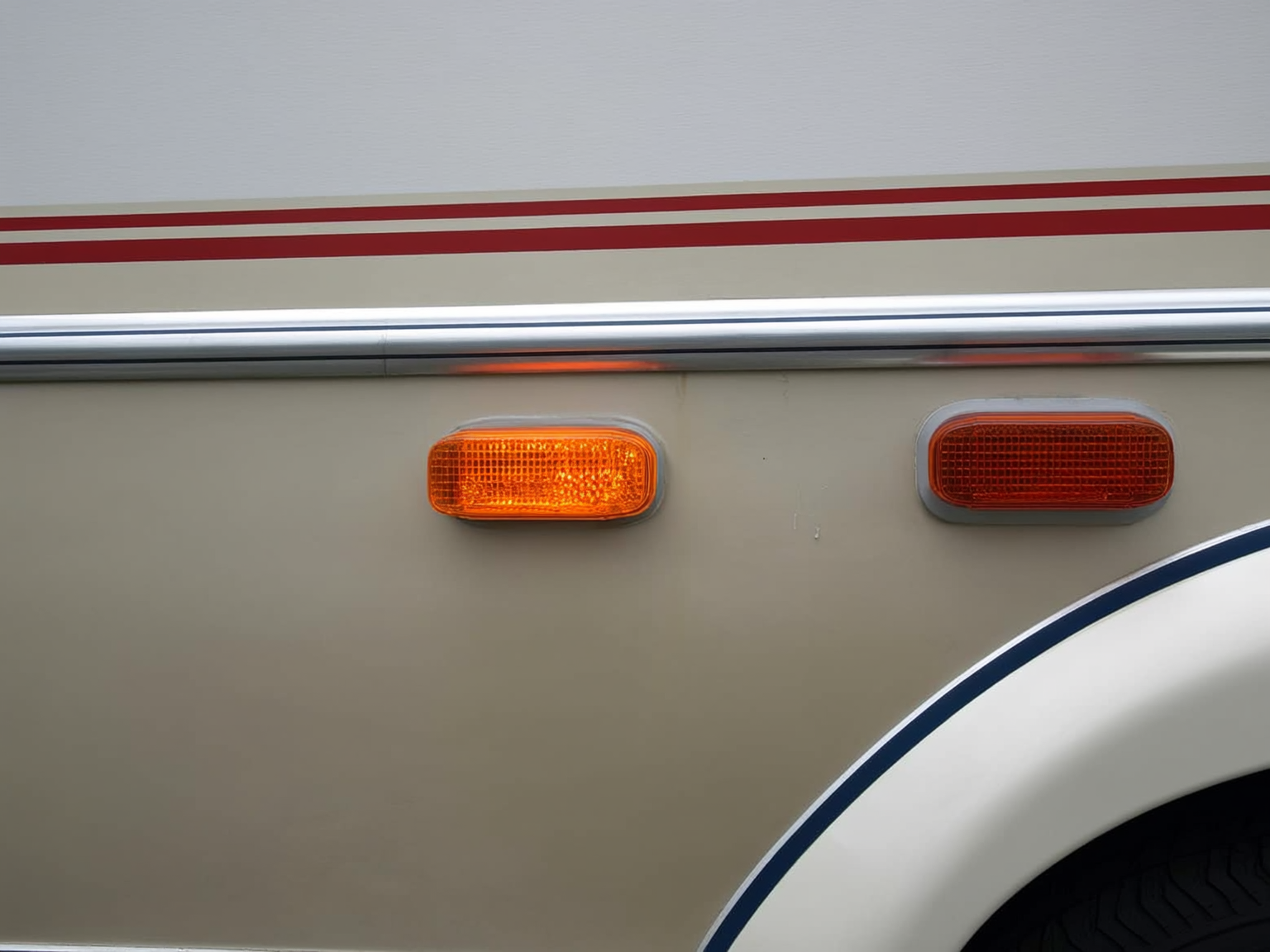
Tiny openings cause outsized problems.
Water can work its way in around:
- Marker lights
- Front windows
- Side windows near the front cap
- Ladder mounts
- Trim screws
- Exterior attachments with old sealant
Marker lights are especially sneaky because they are small enough to ignore and exposed enough to fail. A little cracking around a light housing can be all the water needs.
When you inspect these areas, do not just look for active drips. Look for staining, loose trim, brittle gaskets, and sealant that has separated from the surface.
Know the Difference Between Resealing and Smearing More Product on Top
Many RV owners create future problems by doing lazy seal work.
If the old sealant is dirty, loose, or incompatible with the new product, simply adding a fresh bead on top may not solve the problem. In some cases, it traps moisture, hides deterioration, and gives a false sense of security.
Better prevention usually means:
- Identifying the right sealant type for the surface
- Removing failing material where appropriate
- Cleaning thoroughly
- Resealing cleanly and completely
- Checking cure time before travel or rain exposure
If you are not comfortable doing that work yourself, it is better to schedule maintenance than to pretend that a rushed patch job has fixed the risk.
Recheck After Long Highway Miles
Even a well-sealed RV should be rechecked after travel.
Highway miles matter because they add:
- Flex and vibration
- Headwind pressure
- Temperature swings
- Bugs and debris impact
- Shifting stress at joints and trim lines
If you are relocating to Casper or taking a multi-day route in Wyoming, inspect the rig again upon arrival. A seam that held during storage can still reveal weakness after a full travel day.
This is part of why a stable arrival setup matters. When you stay at Rone’s RV Park in Casper, you have full hookups and breathing room to walk the rig, inspect the exterior, and deal with any maintenance follow-up before the issue gets worse.
Watch for Interior Warning Signs Right Away
Once moisture gets inside, you want to catch it early.
Check for:
- Soft spots in the cabover or front corners
- Faint ceiling stains
- Bubbled vinyl or wall covering
- Musty smells in cabinets
- Dampness around window frames
- Discoloration near screws or trim
If you see one of these signs after a storm or after the drive into Wyoming, do not wait. Small delays are how small leaks become structural repairs.
Wyoming Conditions Make Preventive Maintenance More Important
Why localize this topic to Wyoming? Because the environment exposes weakness.
Casper and central Wyoming can bring:
- Strong wind
- Intense sun at elevation
- Fast weather swings
- Spring and summer storms
- Dry air that ages exposed materials
- Dust that settles into the seals and trim edges
That combination is hard on neglected sealant. A rig that feels “mostly fine” in milder conditions may show problems quickly here.
This is especially relevant for people staying more than a night or two. Full-time RVers and workers moving to Casper need weather resistance they can trust every day, not temporary luck.
Build a Simple Leak-Prevention Routine Before and During Your Stay
A good prevention routine does not need to be complicated.
Before the trip:
- Inspect the roof and front cap seams
- Check marker lights and window seals
- Verify any prior repairs are still holding
- Test for soft areas inside
- Take photos so you can compare later
After arrival:
- Inspect again after the drive
- Check after the first rain or storm
- Monitor interior corners and overhead cabinets
- Keep a short log of anything suspicious
- Schedule resealing early if a problem shows up
If your RV is your home base, routine beats reaction every time.
Do Not Ignore the Role of Parking Position and Site Setup
Leak prevention is mostly about maintenance, but site setup can help too.
Pay attention to:
- Whether the RV is reasonably level
- Where runoff collects around the rig
- Tree debris dropping onto the roof seams
- Awning position during storms
- Whether you are storing damp gear against vulnerable walls
A good site does not replace good maintenance, but it can reduce unnecessary stress on the unit. If you are planning a longer stay in Casper, contact Rone’s RV Park to reserve a practical full-hookup site that makes setup and daily checks easier.
What To Do if You Suspect a Leak Before the Damage Spreads
If you suspect water intrusion, move quickly.
Your first steps should be:
- Identify the likely entry zone
- Dry the interior as much as possible
- Avoid trapping moisture behind closed panels if safe access exists
- Photograph the area
- Schedule repair or resealing before the next storm cycle
Do not keep guessing while the weather keeps moving. Moisture damage rarely improves on its own.
FAQ: Prevent Water Leaks and Front-Cap Damage Before a Wyoming Stay
Why is the front cap a common leak point on RVs?
The front cap is subject to constant wind, UV exposure, road vibration, and rain. That stress makes seams, trim, lights, and sealant more likely to fail over time.
How often should I inspect my RV for water leaks?
At a minimum, inspect before a major trip, after long travel days, and after significant rain or storms. Longer stays call for more regular checks.
What are the first signs of water intrusion inside an RV?
Common early signs include musty smells, ceiling stains, soft corners, bubbling wall material, and dampness around windows or overhead cabinets.
Where should I stay in Casper if I want time to inspect my RV after arrival?
A full-hookup park with spacious sites gives you room to settle in, check the rig, and handle maintenance calmly. That is especially useful after a long drive in Wyoming.
Final Take
If you want to prevent water leaks and front-cap damage before a Wyoming stay, focus on the high-risk seams before the trip, recheck the rig after travel, and respond quickly to any interior warning signs. This is not glamorous maintenance, but it protects one of the most expensive and disruptive failure points an RV can have.
Planning a longer stop in central Wyoming? Stay at Rone’s RV Park for a comfortable full-hookup base while you get your RV settled and storm-ready in Casper.