
Are Your RV Brakes Ready for Wyoming’s Next Downhill Grade?
If you are wondering whether your RV brakes are ready for Wyoming’s next downhill grade, the short answer is this: do not wait until you smell hot brakes on a descent to find out. Brake readiness starts before you leave camp, before you hitch up, and definitely before you point your rig toward a long grade with summer traffic, extra weight, and changing mountain conditions.
We think this is one of the easiest maintenance topics to underestimate, especially if your RV feels fine on flat roads around town. Wyoming driving is different. Long descents, wind, towing weight, heat buildup, and wide-open stretches between services all put more pressure on your braking system. For full-time RVers, summer travelers, and anyone using Casper as a basecamp, this is one of those systems you want to respect.
If you are staging your route through central Wyoming, stay at Rone’s RV Park in Casper. It gives you a practical place to inspect your rig, test your setup, and handle trip prep before you tackle longer drives.
Why Wyoming Grades Demand More From RV Brakes
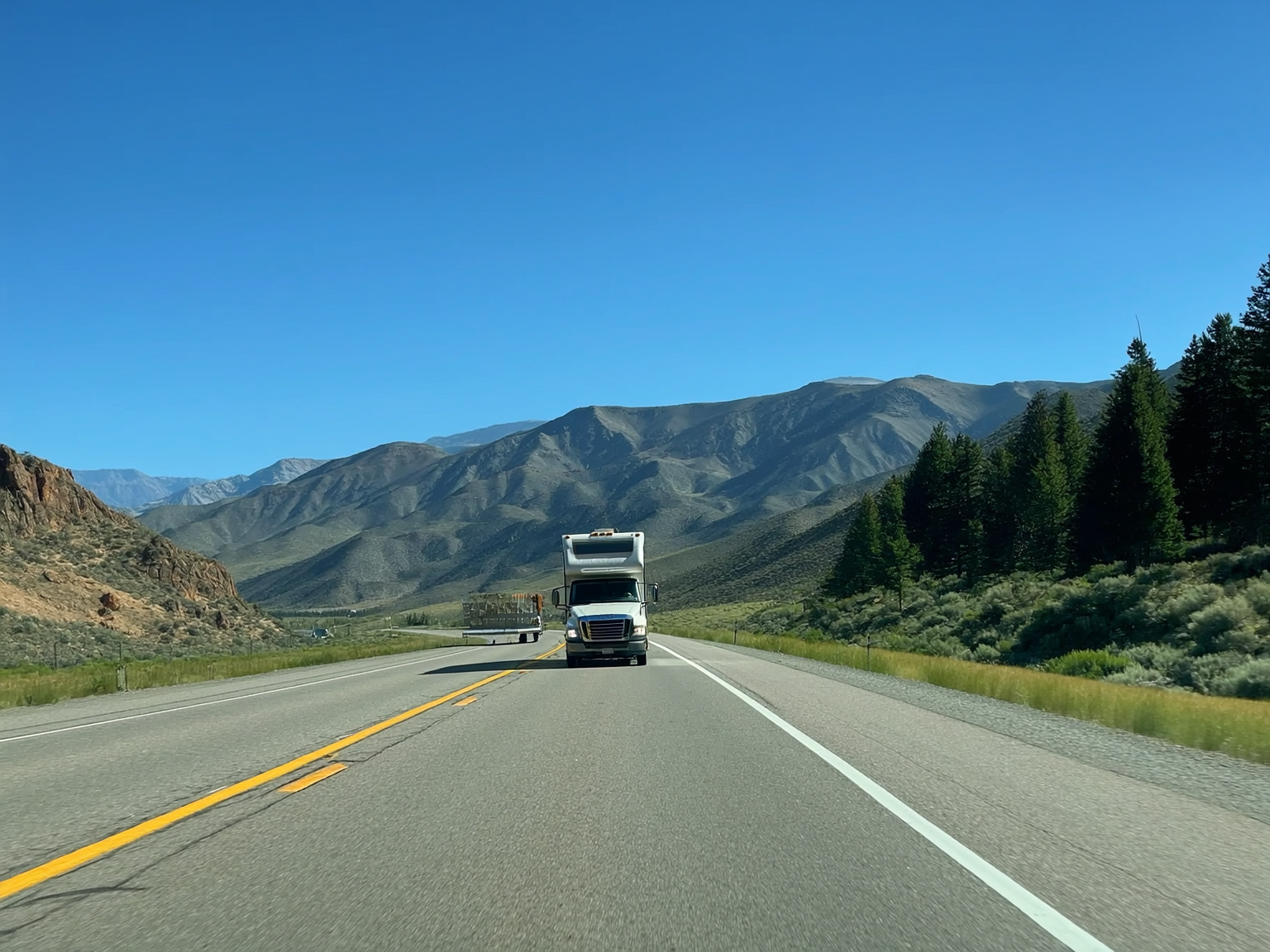
Brakes do not fail only because something snaps. More often, performance drops because heat builds up too quickly, parts are already worn, or the driver relies too heavily on the brake pedal instead of controlling speed early.
In Wyoming, a few things raise the stakes:
- Longer downhill stretches that keep your brakes working harder for longer
- Mountain driving with heavier loads, especially while towing
- Summer temperatures that compound heat buildup
- Wind that makes speed control more demanding
- Remote routes where repair help is not always close by
That matters whether you are driving a motorhome or towing a fifth wheel or travel trailer. Stopping power is not just about emergency braking. It is also about control, confidence, and preventing a small issue from becoming a dangerous one.
For route conditions and closures, we always recommend checking the Wyoming Department of Transportation before travel days.
The First Warning Signs Your RV Brakes Need Attention
A lot of brake trouble gives you hints before it becomes a roadside emergency. The problem is that RV owners sometimes normalize those signs because the rig still technically stops.
Pay attention if you notice:
- Longer stopping distances than usual
- A soft, spongy, or inconsistent brake pedal
- Vibration, pulsing, or shaking while braking
- Squealing, grinding, or scraping sounds
- A burning smell after descending a grade
- The trailer pushing more aggressively than normal when slowing down
- Uneven brake response between tow vehicle and trailer
If any of those show up before a Wyoming trip, do not talk yourself out of it. A brake system that feels slightly off on level pavement can feel much worse on a hot downhill stretch.
What To Check Before You Leave Casper
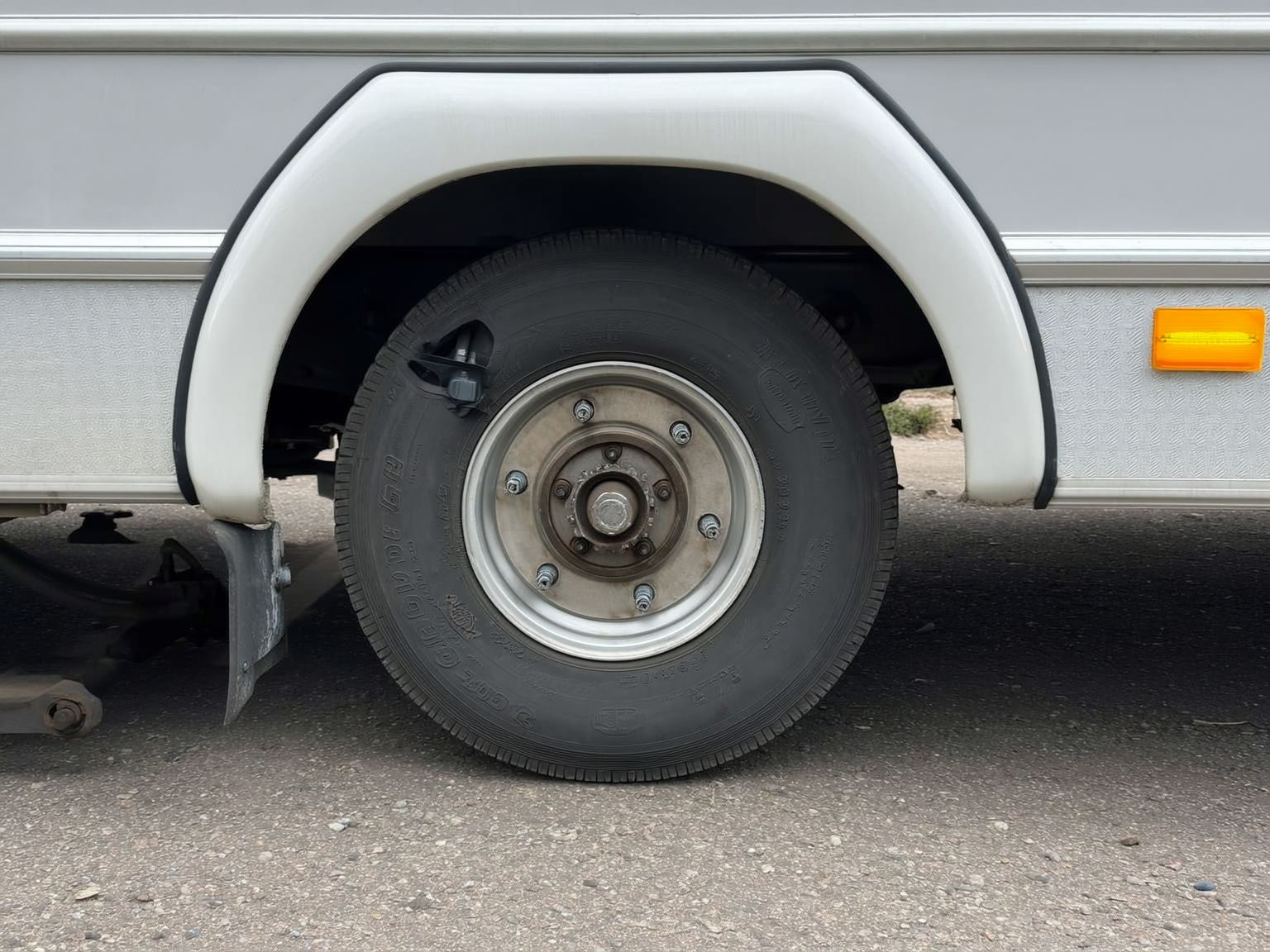
This is where a little discipline saves a lot of stress. Before a route with elevation changes, we would run a focused brake-readiness check rather than assuming my normal walk-around is enough.
Check Pad, Rotor, and Drum Wear
If your brake pads are worn thin or your rotors or drums show damage, heat has less room to go, and performance can drop fast. You do not need to be a mechanic to know that visibly worn parts, harsh noise, or recent braking issues deserve service before a trip.
Confirm Trailer Brake Function
If you tow, trailer brake performance is part of the equation, not a bonus feature. Test the brake controller, make sure the trailer brakes engage smoothly, and confirm the gain is adjusted for your load. A trailer that is under-braking can shove your tow vehicle downhill. An over-aggressive setting can create jerky, unstable stops.
Inspect Brake Fluid and Brake Lines
Low or contaminated brake fluid can affect pressure and responsiveness. Hoses and lines should also be checked for leaks, cracks, or obvious wear. Even if you are not doing the work yourself, it helps to know what was last serviced and whether anything looked questionable.
Check Tire Condition Too
Brakes do not work in isolation. Tire grip affects stopping distance and stability, especially on descents with wind or rough pavement. If your tires are underinflated or worn unevenly, your braking confidence goes down with them.
Know Your Weight
An overloaded RV is harder on everything, including brakes. If you are traveling with extra gear, tools, water, or work equipment, make sure your load is realistic for your rig and balanced correctly.
Smart Driving Habits Matter as Much as Brake Condition
Even a healthy braking system can get cooked if you drive a grade the wrong way. One of the biggest mistakes I see is waiting until the RV is already picking up speed, then trying to brake aggressively over and over.
A better approach is to:
- Reduce speed before the descent starts
- Use lower gears or engine braking where appropriate
- Avoid riding the brakes continuously
- Leave more following distance than you think you need
- Pull over safely if you smell heat or feel fading performance
That is not overcautious. It is just good mountain-driving behavior.
The National Park Service and other public land agencies often remind travelers that mountain roads require slower, more deliberate driving. RVers really need to take that seriously.
How Heat Buildup Creates Brake Fade
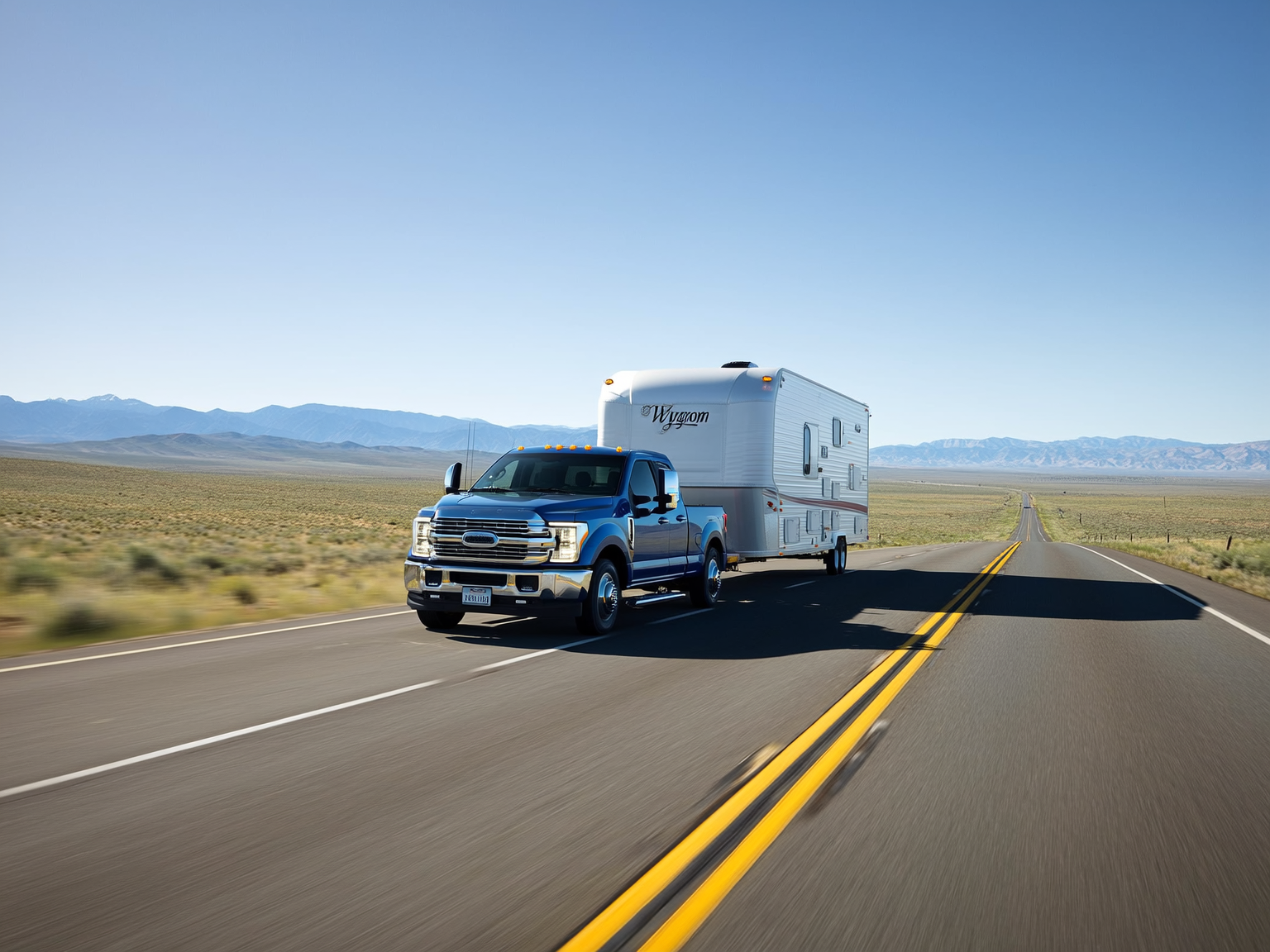
Brake fade is one of the biggest risks on long descents. It happens when repeated braking builds enough heat that your system stops responding as strongly as it should. You press the pedal, but the braking force is weaker, slower, or less reassuring.
That can happen because:
- Brake pads overheat
- Brake fluid gets too hot
- Rotors or drums lose effectiveness under sustained heat
- The driver rides the brakes instead of managing speed early
This is why “the brakes worked fine last week” is not always useful. Downhill grades create a different kind of demand than casual day-to-day driving.
Why Casper Is a Good Brake-Check Basecamp
If you are using Casper as a starting point for broader travel in Wyoming, we think it makes sense to handle brake prep before you head into more demanding terrain. A stable RV site gives you room to slow down, inspect your rig, and fix small problems while they are still manageable.
At Rone’s RV Park, you can settle in, go through your checklist, and plan your route without rushing through a one-night stop. If you are staying longer, it also gives you a consistent base while you handle general trip-readiness tasks, not just brake concerns.
If you are still building out your route, explore activities near our park and use Casper as a comfortable jumping-off point before longer drives.
When You Should Not DIY It
We are all for practical self-sufficiency, but brake work is one of those areas where honesty matters. If you are hearing grinding, feeling instability, seeing leaks, or experiencing unpredictable trailer braking, this is not the moment to wing it at a campground.
Get professional help if:
- Your brakes are making metal-on-metal noise
- The pedal feel has changed suddenly
- Your brake controller is inconsistent, and you cannot dial it in
- Your rig pulls to one side while braking
- You smell burning brakes repeatedly after normal driving
- Warning lights or braking alerts are active
There is a difference between being prepared and being stubborn. Safety systems are worth handling right.
A Quick Brake-Readiness Checklist Before a Wyoming Route
Before you roll out, run this short list:
- Inspect brake performance during a low-speed test
- Confirm trailer brake controller settings
- Review recent maintenance history
- Check tire pressure and tread condition
- Reduce unnecessary weight
- Plan your route with grades and weather in mind
- Check Wyoming road conditions
- Build extra travel time so you are not tempted to rush descents
Need a steady place to do that prep? Contact us to reserve your spot at Rone’s RV Park before your next leg of travel in Wyoming.
FAQ: RV Brakes and Wyoming Downhill Grades
How do I know if my RV brakes are ready for mountain driving?
Your brakes should feel consistent, responsive, and quiet. If you notice longer stopping distances, soft pedal feel, vibration, or a smell of heat, get them inspected before mountain driving.
What causes RV brake fade on downhill grades?
Brake fade usually occurs when sustained braking generates excessive heat. Riding the brakes continuously is one of the biggest causes.
Should I rely on trailer brakes alone when towing in Wyoming?
No. Safe braking depends on the entire system working together, including tow-vehicle brakes, trailer brakes, controller settings, tire condition, speed management, and weight balance.
Where should I stop before a longer RV route in Wyoming?
Rone’s RV Park in Casper is a practical basecamp for checking your rig, planning your route, and starting your trip with full hookups and more breathing room.
Final Take
If your RV brakes are not ready for Wyoming’s next downhill grade, the road will expose that fast. Check the system before you leave, drive descents deliberately, and do not ignore early warning signs just because the rig still stops.
Planning your Wyoming RV adventure? Rone’s RV Park in Casper offers spacious pull-through sites, full hookups, and a convenient base for getting your rig road-ready before the next leg of your trip.