
Moving to Casper in an RV: Setup Essentials for Your First Week
If you are moving to Casper in an RV, your first week should focus on a stable setup, weather readiness, utilities, storage, and building a local routine, not just on parking and hoping everything works. Casper can be a great place for full-time RVers, traveling workers, and people in transition, but the smoothest arrivals happen when you treat the first week like a setup phase. Get your hookups dialed in, organize your site, learn the area, and make your RV feel livable fast.
I think this is where many relocation-style RV stays go right or wrong. People spend plenty of time thinking about the drive in, but not enough time thinking about what everyday life looks like once they arrive. A good first week saves you from repeated small headaches, and it turns Casper from a stopover into a workable home base.
This guide walks through the essentials we would prioritize if we were arriving in Casper for an extended stay, a work assignment, or a full-time RV living transition.
Why Casper Works Well as an RV Base
Casper sits in a useful middle ground for RVers. It gives you access to city essentials without the constant congestion or inflated prices that often come with larger relocation hubs. For workers, contractors, and remote professionals, that matters. You want groceries, services, roads, and basic convenience, but you also want room to breathe.
Casper is also a practical jumping-off point for exploring central Wyoming. That makes it attractive for people who want to settle for a while without feeling boxed in. Once your daily setup is stable, you can enjoy the area more easily, whether that means local recreation, errands, or more serious scouting of the region.
If you want a strong starting point, stay at Rone’s RV Park in Casper. Having a full hookup site and a practical base matters a lot more when you are arriving to live, work, or transition here rather than simply passing through.
First Priority: Get Your Utilities Right on Day One
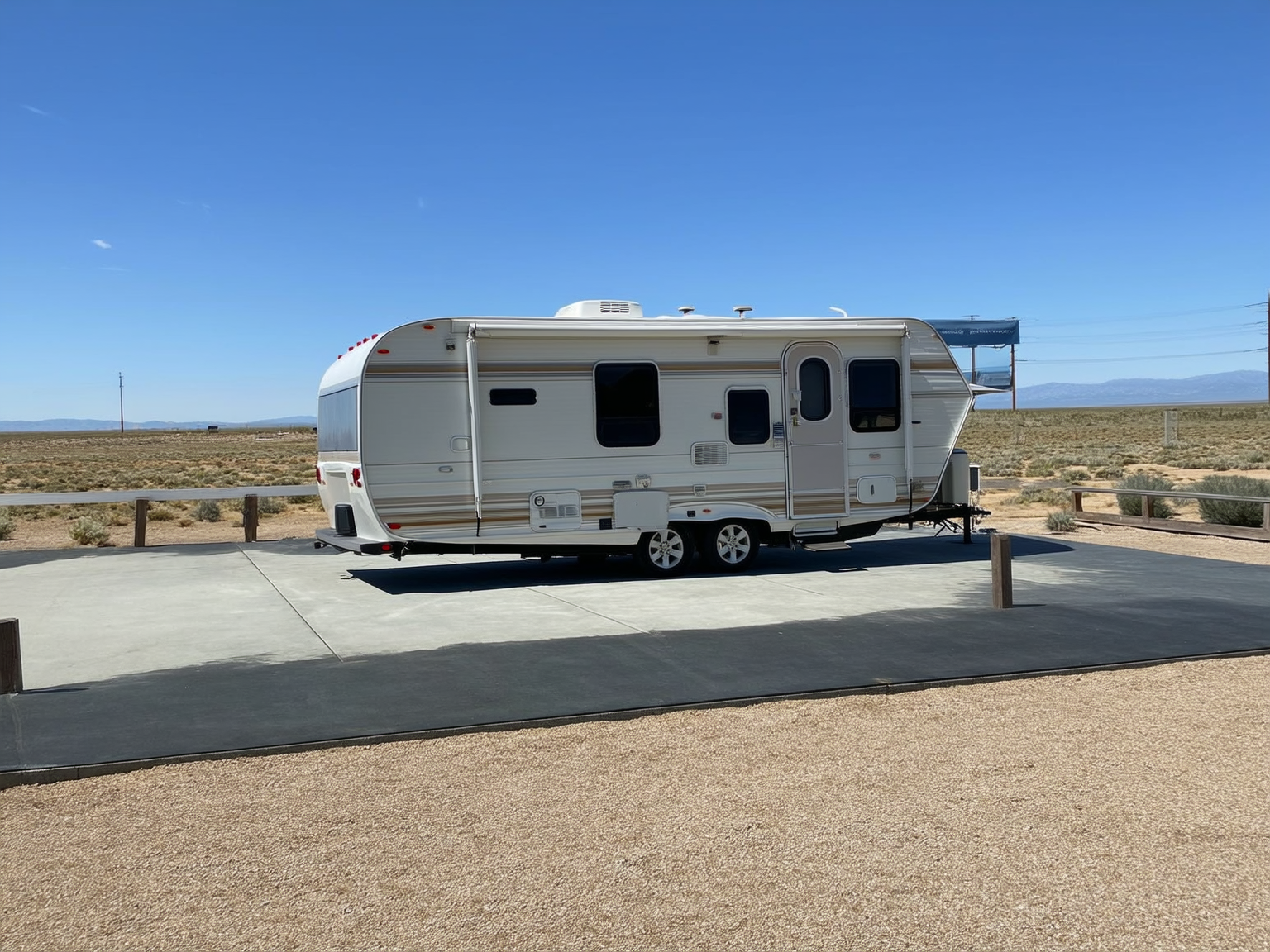
Your first day should not be about making the site look perfect. It should be about making the RV function well.
Water hookup
Check your water pressure, inspect your hose washers, and make sure your connection is clean and secure. If you use a pressure regulator, install it immediately rather than waiting.
Power hookup
Confirm the correct service, check your surge protection if you use one, and make sure cords are seated safely and not under tension.
Sewer setup
Do not rush this part. A stable sewer hose support, secure fittings, and a clear drainage slope make long-term RV living much easier. Keep your black tank closed until it is ready to be properly dumped, and manage gray water intentionally.
A lot of first-week stress comes from loose utility routines. When hookups are done right, the rest of the week feels much lighter.
Second Priority: Prepare for Casper Weather Fast

Even if your move happens in a mild week, Casper weather deserves respect. Wyoming conditions can shift quickly, and your comfort depends on being ready before the change arrives.
In the first week, I would check:
- Heating and cooling systems
- Weather seals around windows and doors
- Hose protection in case temperatures might drop at night
- Outdoor gear organization, so nothing gets scattered by the wind
- Extra layers, gloves, and practical footwear by the door
The Wyoming Department of Transportation is worth watching for road and weather context, especially if your arrival includes more driving around the region. For broader trip and seasonal planning, Wyoming Tourism is useful too.
The point is not to overreact. It is to avoid acting surprised when Wyoming behaves like Wyoming.
Third Priority: Build a Livable Site, Not Just a Parked RV

People relocating in an RV often stay stuck in transit mode for too long. They leave storage bins in awkward places, keep essentials buried, and force themselves to live inefficiently because they tell themselves the stay is temporary. Then three weeks later, the site still feels improvised.
A better move is to set up for real life right away.
Organize your entry zone
Shoes, jackets, keys, work items, and pet gear should have a quick-access place.
Create a utility check routine
Take two minutes each day to glance at water, power, and sewer. This matters more during the first week because small setup flaws show up early.
Set up work zones intentionally
If you are working from the RV, create a stable place for devices, charging, and calls. If you are leaving daily for a job site, set up a staging area to make mornings easier.
Reduce friction inside the RV
Move daily-use kitchen items, bathroom supplies, and laundry basics where they make sense now, not where they happened to land during travel.
For longer stays, small organization moves create outsized relief.
Fourth Priority: Handle Storage Before Clutter Takes Over
Relocation stays create extra stuff. Tools, seasonal clothes, job gear, outdoor equipment, paperwork, and transitional household items all seem to multiply in the first week.
That is why storage planning matters early. Ask yourself:
- What needs to stay in the RV every day?
- What should be accessible weekly but not inside your living space?
- What is the temporary overflow that needs a better solution?
If you already know the RV will feel crowded, need RV storage? Planning that early protects your sanity. A crowded rig makes work, sleep, cooking, and basic routines feel harder than they need to.
Fifth Priority: Learn the Daily-Life Map of Casper
Your first week in Casper is much easier when you quickly learn your practical local map. That includes:
- Grocery options
- Fuel and propane stops
- Laundry if needed
- Hardware and supply stores
- Healthcare or pharmacy options
- The simplest route between your site and work
This is what turns a place from unfamiliar to usable. It also reduces the background stress that comes with every errand, which otherwise takes twice as much brainpower as it should.
If you want to balance practical life with actually enjoying the area, explore activities near our park. That is especially helpful if your move is part work, part lifestyle transition, or if family is joining you during the stay.
Sixth Priority: Know Your Internet and Communication Plan
A lot of RVers arriving for work assume they will figure out the internet as they go. That is risky. If you are a remote worker, contractor handling daily admin, or someone job-hunting locally while living in the RV, your connectivity plan matters immediately.
In the first week, confirm:
- Your mobile coverage quality on-site
- Hotspot limits and backup options
- Device charging and cable management
- Quiet times and spaces for calls or focused work
Casper can work very well for connected RV living, but only if you treat communication like an essential utility, not an afterthought.
Seventh Priority: Plan for Wind, Dust, and Outside Gear
One thing I would handle early is outdoor gear discipline. Wyoming wind can quickly make a loosely managed site look chaotic. If chairs, mats, bins, hoses, or small accessories are not secured well, they become a hassle or a hazard.
During your first week:
- Keep outside gear minimal until you understand the site conditions
- Secure light items before leaving for work or errands
- Reassess your setup after the first windy day
- Store what you do not need instead of trying to make every item live outside
This keeps the site cleaner and helps you avoid that half-settled, half-traveling feeling.
What Full-Time RVers and Traveling Workers Usually Need Most
The people most likely to move to Casper in an RV are not always vacation travelers. They are often workers, people in transition, and full-time RVers trying to create a stable life in motion.
That means their real needs look like this:
- Reliable hookups
- A layout that supports daily life
- Enough storage to stay organized
- Weather readiness
- Easy access to the city
- A site that feels sustainable, not makeshift
That is exactly why choosing the right park matters. A place that works for a weekend tourist is not automatically the right fit for someone living in their RV day after day.
Your Best First-Week Checklist
If you want the simplest version, here is the order I would follow.
Day 1
- Park, level, and stabilize
- Connect water, power, and sewer carefully
- Check heating, cooling, and weather readiness
- Put daily essentials where you can reach them
Day 2
- Test your normal routine: shower, cook, work, dump tanks if needed
- Adjust anything awkward about your setup
- Identify local stores and service stops
Day 3 to Day 4
- Settle storage and reduce clutter
- Confirm internet reliability and work setup
- Fine-tune outdoor gear for wind and usability
Day 5 to Day 7
- Build your ongoing maintenance routine
- Explore Casper more confidently
- Decide what changes would make the stay easier if you extend it
This order keeps you focused on function first, comfort second, and optimization third.
FAQ: Moving to Casper in an RV
Is Casper a good city for full-time RV living?
For many RVers, yes. Casper offers practical city access, a useful central location, and a manageable pace that works well for extended RV stays.
What should I set up first when I arrive in Casper with my RV?
Utilities first, especially water, power, and sewer. After that, focus on weather readiness and daily organization.
Do I need storage if I am moving to Casper in an RV?
Not everyone does, but many long-stay RVers benefit from extra storage, as relocation periods often bring more gear than a rig can comfortably hold.
How do I make my first week in an RV park easier?
Treat it like a setup week. Build routines, secure your utilities, organize the site, and learn the local essentials early.
Final Take
Moving to Casper in an RV goes much better when you stop thinking like a traveler and start thinking like someone building a stable base. Your first week sets the tone. If utilities are clean, storage is handled, weather prep is done, and your routine starts working quickly, the whole stay feels easier.
Need a home base while you get established? Contact Rone’s RV Park for a full hookup site in Casper that supports full-time RV living, work stays, and smooth arrivals.